
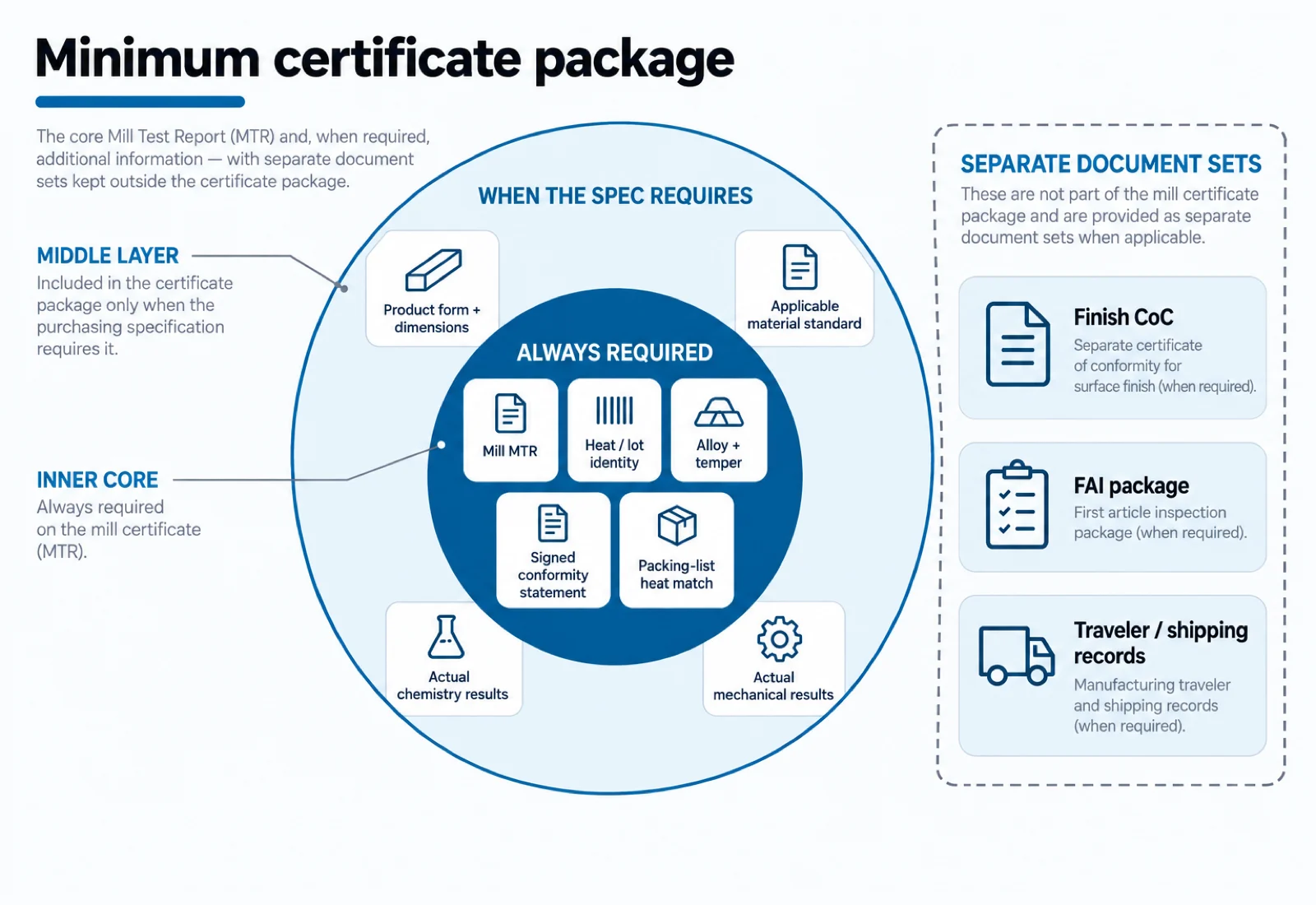
Direct answer: For an aluminum CNC mill certificate package, request a mill certificate / material test report (MTR)—not a vague “certs included” line. At minimum that package should include: (1) a mill certificate or MTR with heat and/or lot identification, (2) explicit alloy + temper matching the drawing and PO, (3) chemistry and/or mechanical results consistent with the document type and governing material specification, (4) a signed conformance statement appropriate to that document type, and (5) packing-list (and material marking) identifiers that match the certificate heat/lot. When finishes apply, add separate finish certificates. When first-lot dimensional qualification is required, add a First Article Inspection package—mill certs answer material identity and traceability; FAI answers dimensional and characteristic qualification.
Say the document type you need on the quote or PO—either EN 10204 Type 3.1 (or 3.2 if your customer or regulation requires outside inspection) or an equivalent MTR with heat-specific chemistry and mechanicals. Do not rely on “certs” alone; that wording often yields a Certificate of Conformance (CoC) without test data.
Minimum cert package for aluminum CNC buyers
Use this as the buyer-facing baseline. Commercial RFQs may not need aerospace portals—but you still want the same information content.
| # | Package element | Why request it | Default for many aluminum CNC POs? |
|---|---|---|---|
| 1 | Mill certificate / MTR (or EN 10204 type stated by name) | Test-based material evidence | Yes — ask by name |
| 2 | Heat and/or lot number on the cert | Traceability key | Yes |
| 3 | Alloy + temper matching drawing/PO | Mechanical and property identity | Yes |
| 4 | Product form / size / thickness as applicable | Plate vs extrusion; properties can be thickness-dependent | Yes when the drawing specifies |
| 5 | Governing material specification on the cert (ASTM / AMS / EN product spec) | Limits basis for chemistry and mechanicals | Yes when the PO specifies |
| 6 | Chemistry (actuals, or agreed composition basis) within governing limits | Confirms alloy formulation | Yes for critical / audited programs; specify actuals if required |
| 7 | Mechanical results (UTS, yield, elongation) vs temper minima | Confirms temper condition | Yes when temper-critical |
| 8 | Signed conformance / validation statement for the document type | Distinguishes a data sheet from certification | Yes |
| 9 | Packing list referencing the same heat/lot + PO/part numbers | Receiving tie-out | Yes |
| 10 | Shop traveler / shipping docs linking finished parts to material heat | Closes the CNC chain | When required by customer SQE |
| 11 | Finish / secondary-process CoCs (separate) | Anodize or chem-film ≠ mill cert | When finishes apply |
| 12 | FAI / dimensional package (separate) | Material docs ≠ characteristic accountability | When FAI required |
Clear drawing prep and an explicit alloy/temper callout make this package executable. Alloy selection context (for example 6061 vs 7075) belongs on the print; the mill certificate must then match that callout.
If your quality system needs mill certificates with shipment, request them on the quote or purchase order and name the EN 10204 type—or list the MTR fields you require.
What a mill cert / MTR is (and is not) vs a CoC
Mill certificate (mill cert) — A document from the producing mill (or passed through the distributor chain) that records chemical and/or mechanical (and other required) test results for a specific heat or lot and states conformance to referenced specifications.
Material Test Report (MTR) / Mill Test Report / Mill Test Certificate (MTC) — Common industry synonyms for that mill test-based material document tied to heat/lot.
Certificate of Conformance (CoC) — A supplier-signed statement that product meets named requirements. A CoC may omit measured chemistry and mechanical data. When your PO requires heat-specific test evidence, a CoC alone is not interchangeable with an MTR.
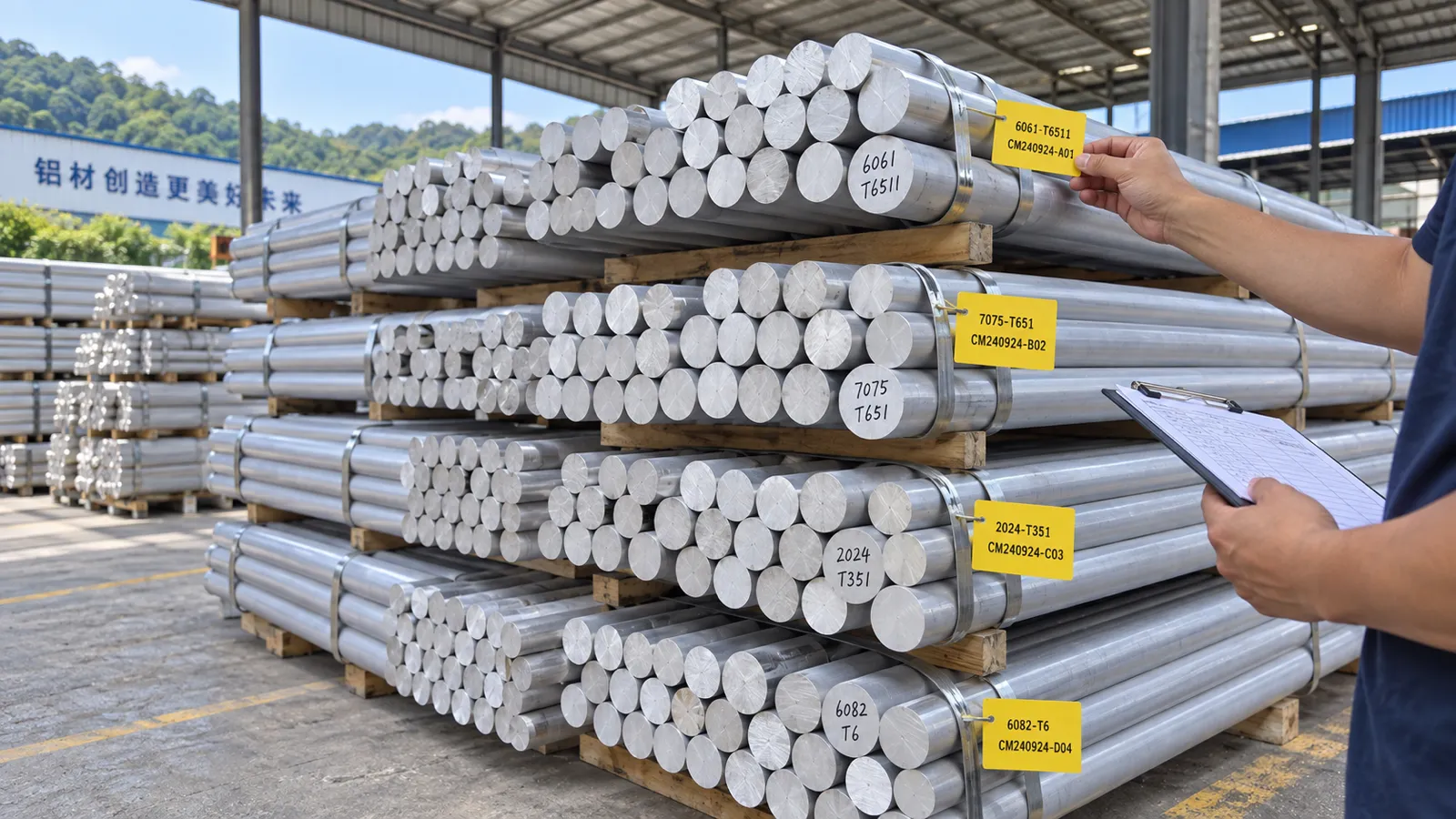
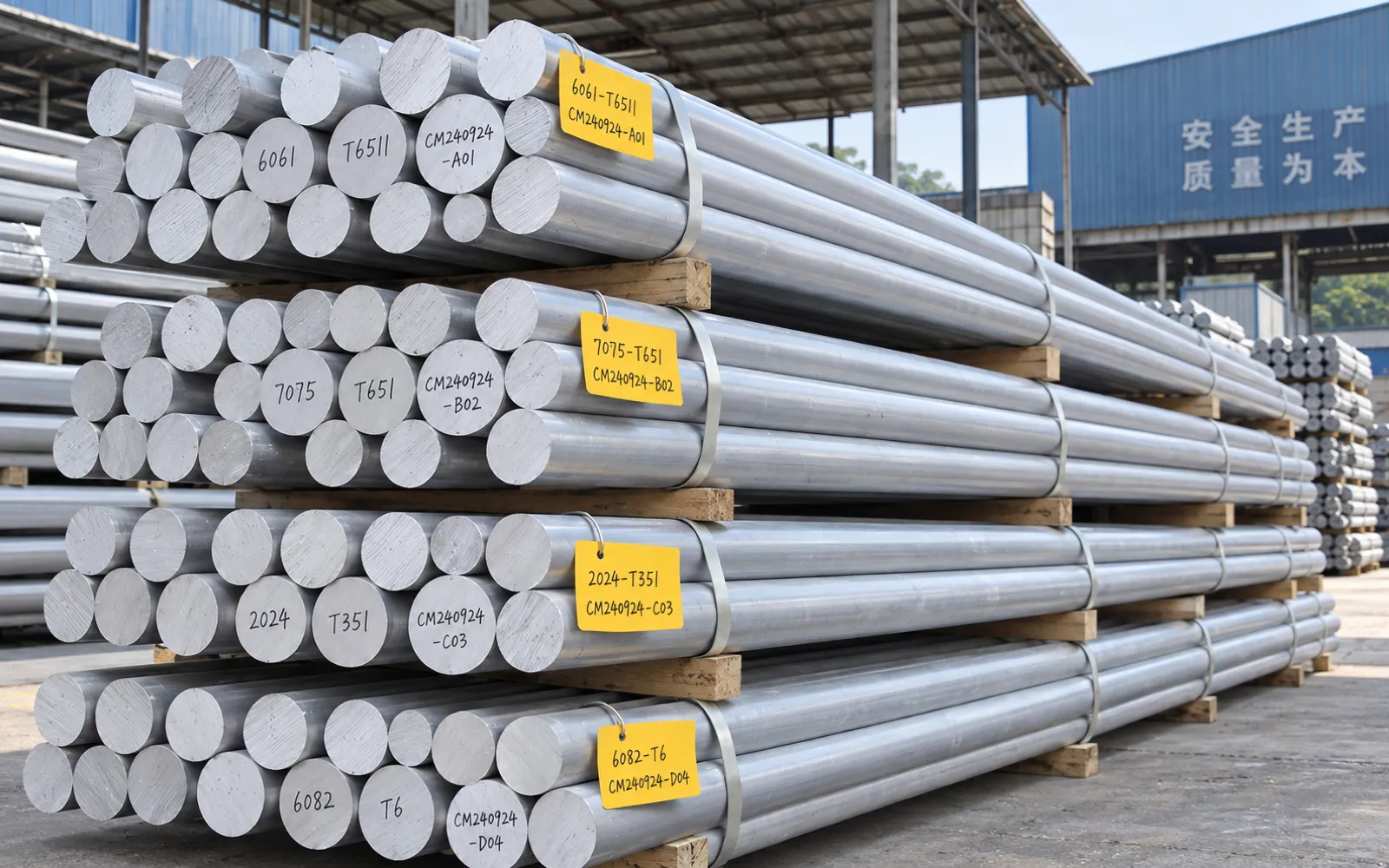
Heat number (cast number) — Identifier for the specific melt; the foundation of chemistry traceability. It should appear on the certificate and on material marking.
Lot / heat-treat lot / test lot — Further production or inspection batch identity (rolling, extrusion, heat treatment, or inspection lot). Exact definitions follow the product specification.
What mill certs are not
- A substitute for dimensional First Article Inspection
- Proof that anodize class or coating thickness meets the finish callout (that needs a finish CoC — see also the anodized aluminum design checklist)
- Automatic proof of every program-specific requirement (origin, specialty melt, approved mills) unless those statements appear on the documents and the PO required them
- A product chemistry standard by themselves—EN 10204 defines inspection document types, not aluminum alloy limits
Prefer the distinction: teach MTR / mill cert as test-evidence documents; treat CoC as statement-only unless measured data is attached. Some vendor pages casually call a mill cert a “certificate of conformance”—do not let that wording collapse the two document types on your PO.
EN 10204 types buyers commonly see (2.1 / 2.2 / 3.1 / 3.2)
Educational disclaimer: The following summarizes publicly available explanations of EN 10204 inspection document types for metallic products. It is buyer guidance, not legal advice, not a substitute for purchasing the official EN 10204 text, and not a claim that CharMax Precision is “EN 10204 certified,” “EN 10204 accredited,” or an “EN 10204 Type 3.1 certified machine shop.” An ISO 9001 shop can provide or pass through mill certificates and alloy traceability without claiming EN 10204 accreditation.
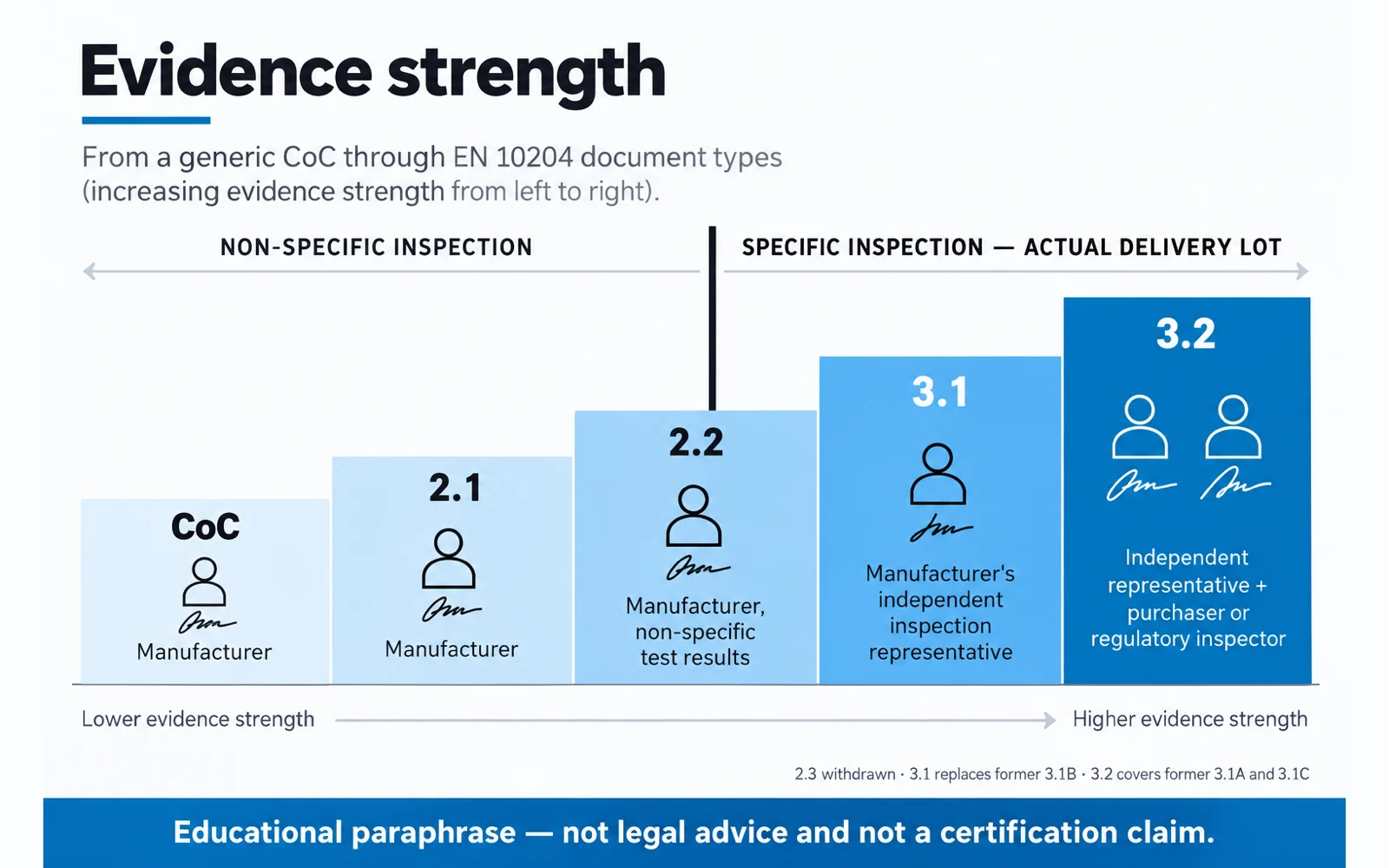
EN 10204 specifies types of inspection documents supplied with metallic products to an order. It is used together with product technical delivery conditions. After the 2004 edition, the common types are 2.1, 2.2, 3.1, and 3.2.
| Type | Title (EN 10204:2004) | Document content (paraphrase) | Validated / approved by | Typical buyer takeaway for aluminum CNC |
|---|---|---|---|---|
| 2.1 | Declaration of compliance with the order | Order compliance statement; no test results | Manufacturer | Weakest; similar risk profile to CoC-only |
| 2.2 | Test report | Compliance + results of non-specific inspection | Manufacturer | May use representative (not necessarily this delivery) test data |
| 3.1 | Inspection certificate 3.1 | Compliance + results of specific inspection | Manufacturer’s authorized inspection representative independent of production | Common “batch/heat tested” ask for serious QA programs |
| 3.2 | Inspection certificate 3.2 | Compliance + specific inspection results | Manufacturer’s independent inspection representative and purchaser’s authorized representative or official-regulations inspector | Highest; “outside inspection”; often only when regulation or customer requires |
Specific vs non-specific inspection
- Non-specific (Type 2.2): tests not necessarily performed on the products actually delivered.
- Specific (Types 3.1 / 3.2): tests related to the actual delivery (heat / heat-treatment batch / test lot per product specification), with product marking that links the certificate to the material.
Historical mapping (buyer confusion reduction): Type 2.3 was withdrawn. Type 3.1 replaces older 3.1B. Type 3.2 covers older 3.1A, 3.1C, and prior 3.2 labels.
EN type ≠ alloy standard. Call out both—for example, aluminum alloy and temper per the ordered ASTM / EN product specification plus EN 10204 Type 3.1 (or the MTR field list you need).
US MTR vs EN 10204 3.1: North American POs often say “MTR required” without EN numbering. Buyer intent usually means heat-specific chemistry, mechanicals, and a conformance statement—conceptually close to specific-inspection evidence. A US MTR is not automatically a formal EN 10204 Type 3.1 document unless the certificate states that type (or you require EN labeling). If you need formal EN typing, say so on the PO; otherwise list the MTR fields you require.
There is no universal default EN type for all aluminum CNC work. Pressure-equipment examples are educational context, not a default for every bracket. Customer flow-down wins. For many serious industrial programs, Type 3.1 or an equivalent heat-specific MTR is a common ask; Type 3.2 is typically for outside-inspection requirements.
Heat lot, alloy, and temper match to packing lists and parts
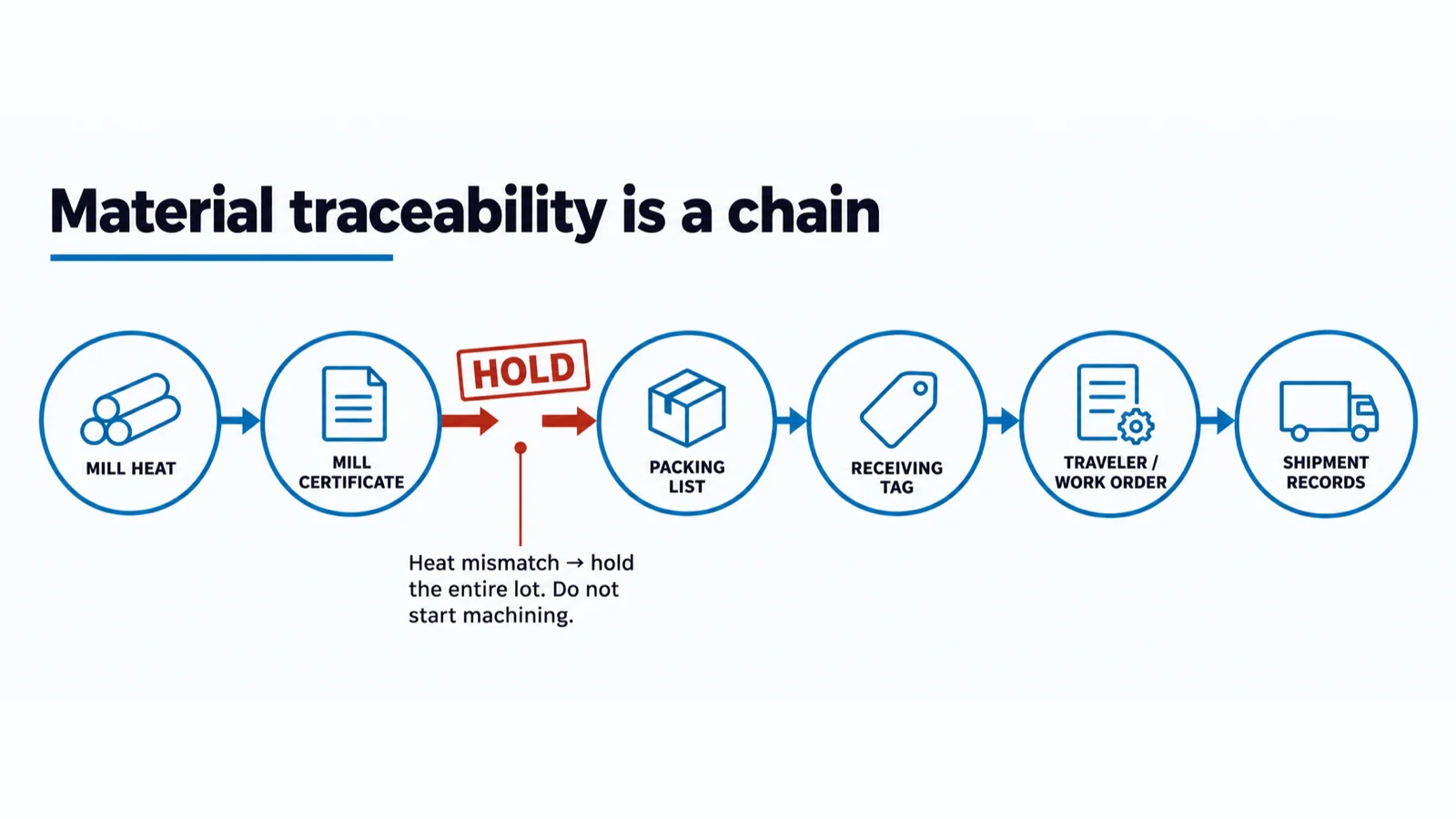
Treat material release as a traceability chain, not a PDF courtesy:
Heat/cast → mill cert fields → packing list / tags → shop stock ID → traveler / work order → finished-part lot / shipping docs.
Any break—wrong heat on the pack list, unmarked bar, cert for a different temper—is a quality hold.
Drawing / PO callout → cert field match
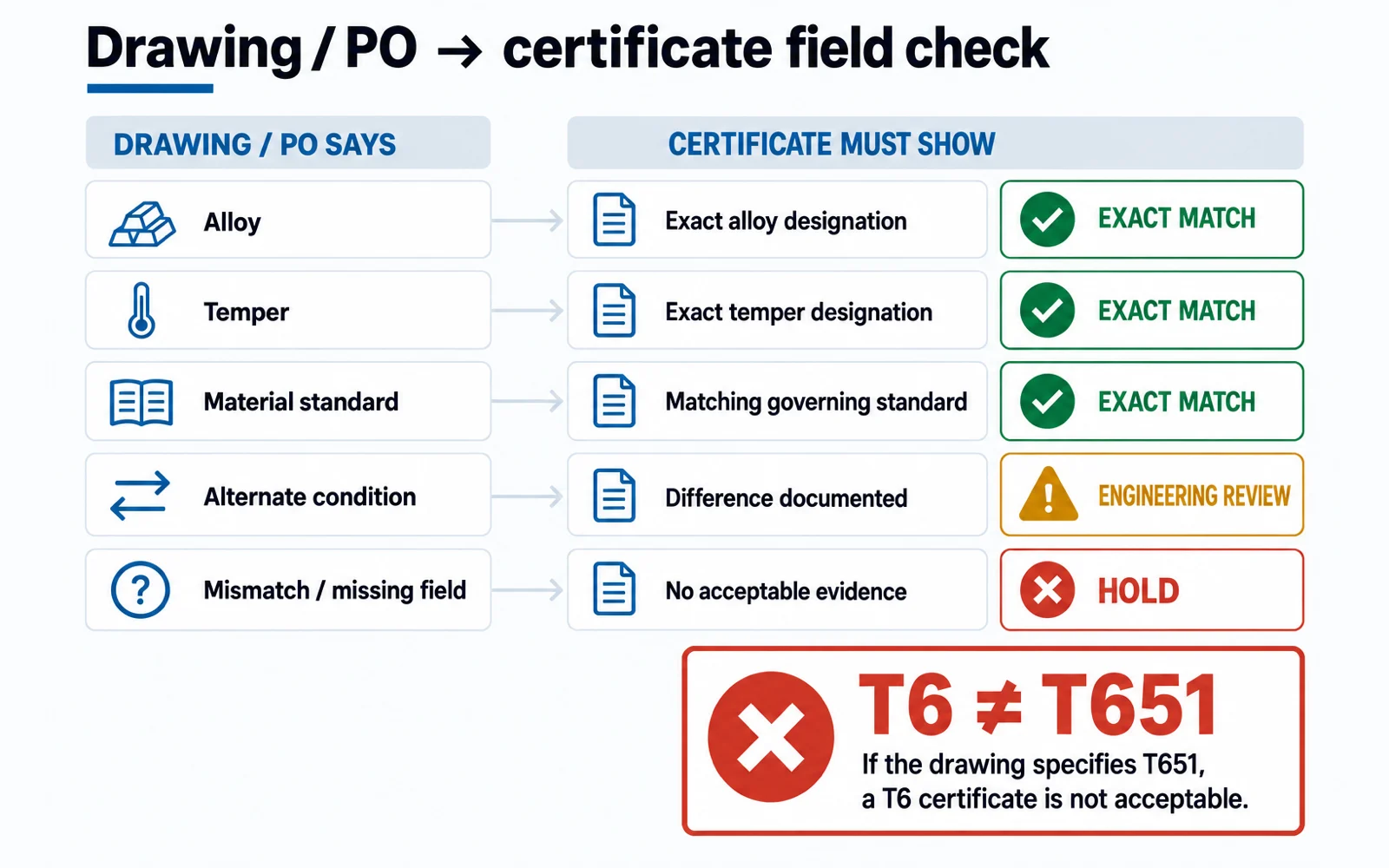
| Drawing / PO element | What to find on mill cert / packing docs | Match rule | If mismatch |
|---|---|---|---|
| Alloy (e.g., 6061, 7075) | Alloy designation | Exact designation per Aluminum Association / PO | Hold; do not machine |
| Temper (e.g., T6, T651, H32) | Temper designation | Exact temper (T6 ≠ T651 when the drawing is specific) | Hold; corrected cert or material |
| Product form (plate, sheet, bar, extrusion) | Description / product spec family | Form must support the stock assumption | Engineering review |
| Thickness / diameter / size | Dimensions on cert / pack list | Matches ordered size | Hold if wrong size stock |
| Material specification (ASTM / AMS / EN) | Spec listed on cert | Spec covers ordered requirements (watch revision) | Clarify with supplier |
| Heat / lot | Heat & lot fields | Equals stamp/label on material and packing list | Hold |
| Quantity covered | Cert / pack quantity | Coverage ≥ received qty for that heat | Partial accept only with split docs |
| Chemistry | Element results vs governing limits | Within Aluminum Association / ASTM limits for the ordered alloy | Do not use nonconforming heat |
| Mechanicals | UTS / yield / elongation (+ direction if stated) | Meet temper minima for applicable thickness/direction | Hold |
Compare cert chemistry and mechanicals to the governing Aluminum Association (Teal Sheets registration) and ASTM / ordered product-spec limits. Do not treat blog tables as acceptance criteria.
Illustrative receiving workflow
- RFQ / PO — State alloy + temper + product form + document type (EN 10204 3.1 or “MTR with heat-specific chemistry and mechanicals”).
- Incoming — Quarantine until docs are reviewed.
- Three-way ID check — Cert heat/lot ↔ packing list ↔ physical mark/label.
- Spec + data match — Alloy, temper, size, governing spec, chemistry/mechanicals vs PO/drawing limits (escalate if only ranges arrive when actuals were ordered).
- Release / issue — Internal lot ID linked to heat; traveler cites lot + heat; do not mix heats in a lot-controlled job unless the customer allows and docs split.
- Ship — When lot traceability is required, packing documents reference material heat(s) and attach mill cert copies as agreed. If FAI is also required, material accountability feeds FAI; dimensional FAIR stays separate.
Red-stop rules: heat mismatch; temper missing; illegible cert; CoC-only when MTR required; altered mill PDFs that strip producer identity.
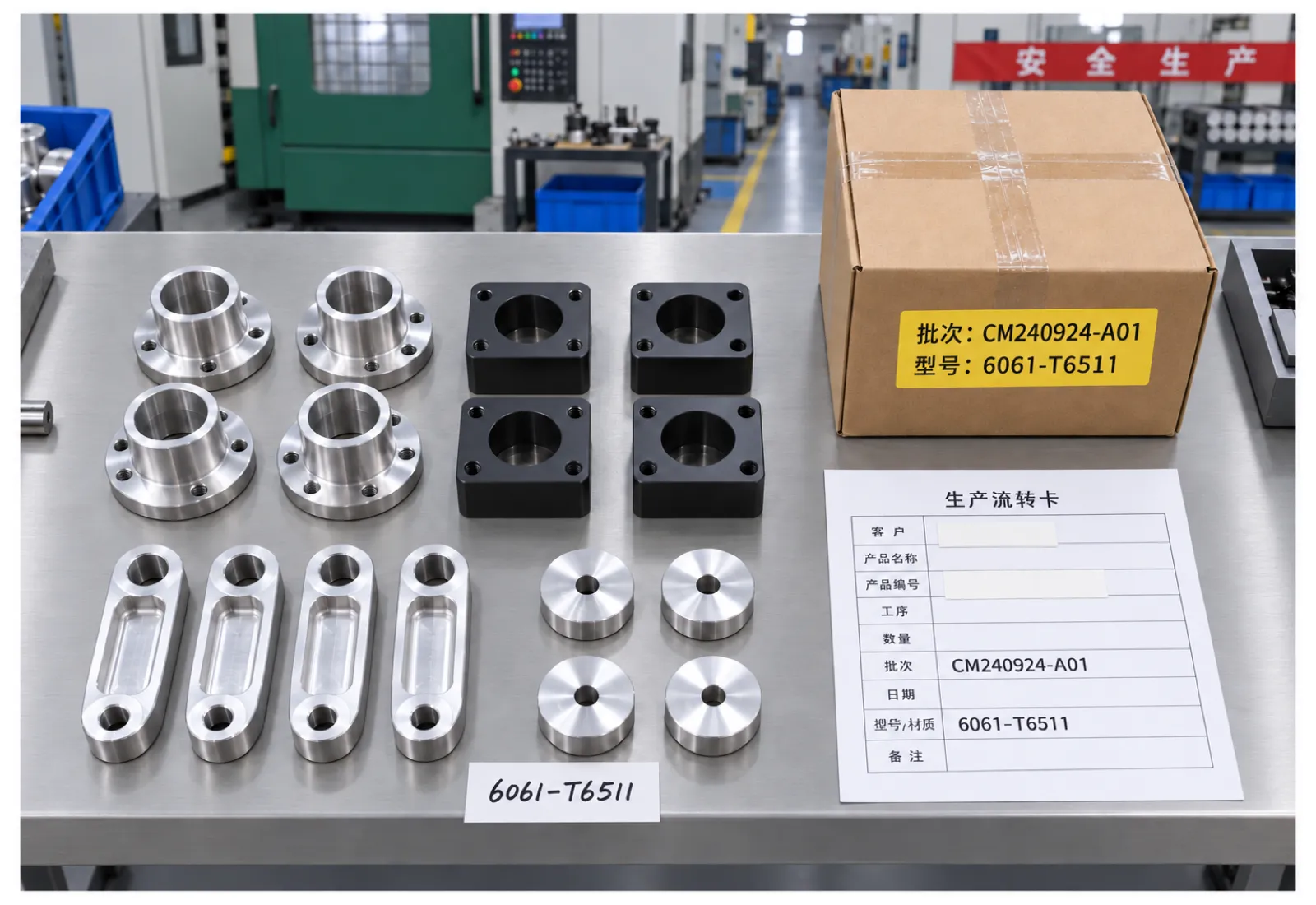
How mill certs relate to (and differ from) FAI
Mill certificates and First Article Inspection answer different questions. Request both when both risks matter—do not substitute one for the other.
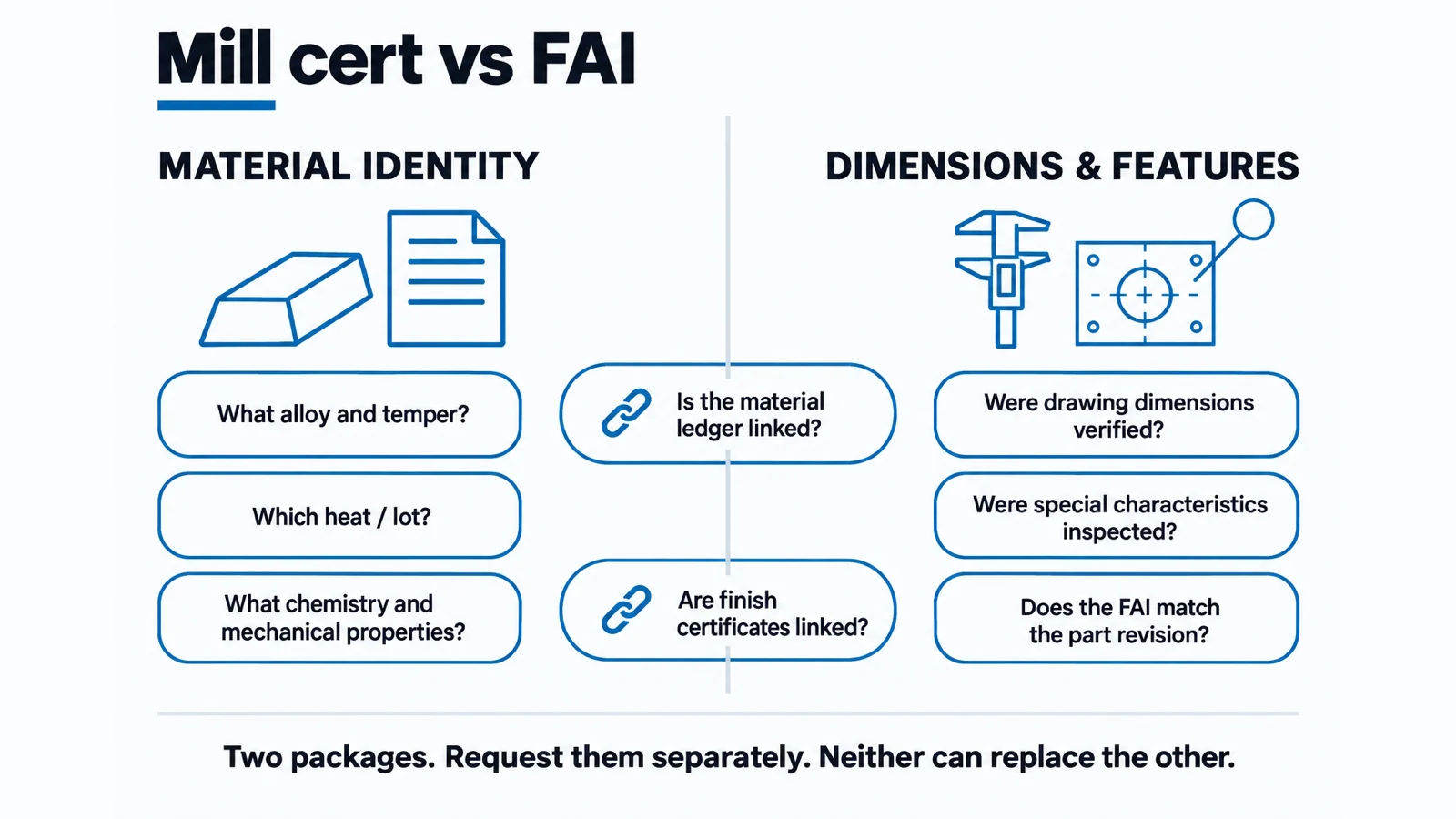
| Question | Mill cert / MTR package | FAI / FAIR package |
|---|---|---|
| Is stock the correct alloy + temper? | Yes (primary) | Indirectly via material accountability that references certs |
| Is heat/lot traceable to delivered metal? | Yes | Should reference the same heat on material records |
| Do chemistry/mechanicals meet the material spec? | Yes (per document type) | Not a substitute for mill data |
| Do first production parts meet drawing dimensions / notes? | No | Yes |
| Is ballooned characteristic accountability complete? | No | Yes (FAIR-style) |
| Does anodize class/thickness meet the finish callout? | No (needs finish CoC) | Finish certs often appear in FAI special-process accountability |
| CNC process / fixture qualification intent? | No | Yes (FAI intent) |
| Ongoing lot acceptance sampling? | Partial (material lot ID) | No — separate inspection plan |
For how to structure ballooned drawings, FAIR-style forms, and full vs partial FAI triggers, use the dedicated guide: First Article Inspection for Aluminum CNC Parts: What Buyers Should Request. This article stays on material identity and certificate types.
Finish and secondary-ops documents vs mill certs
Anodize and chem-film paperwork prove secondary processing. They do not replace mill chemistry, temper, or heat traceability.
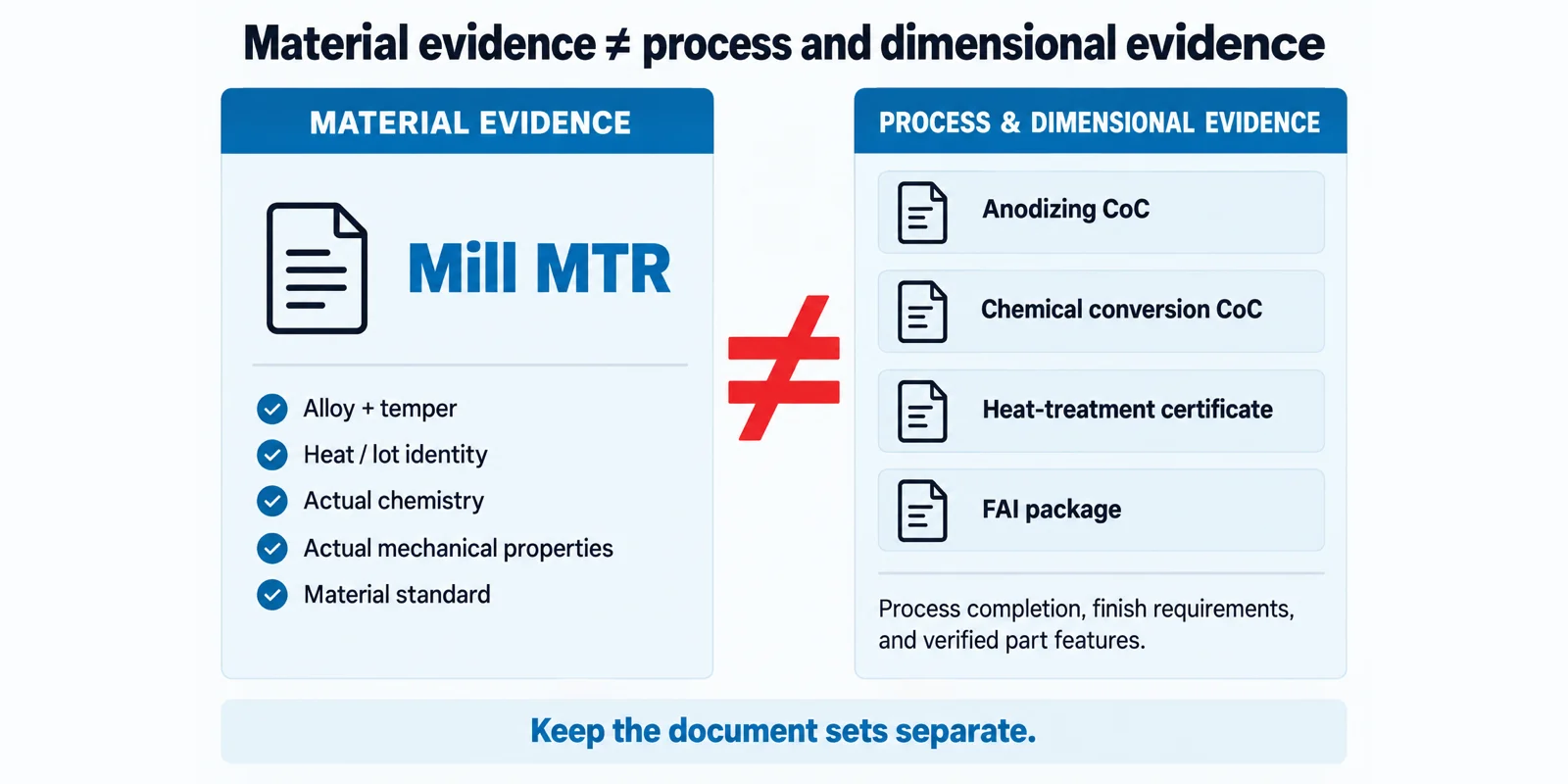
| Document | Proves | Does not prove | When to request |
|---|---|---|---|
| Mill cert / MTR / EN 10204 inspection doc | Alloy, temper, heat/lot, chemistry/mechanicals per type | Coating thickness, dye color, chem-film class | Material-critical POs |
| Anodize process CoC / cert | Anodize type/class/thickness (as stated), finish lot | Base alloy chemistry / temper | When the drawing calls anodize |
| Chem-film / conversion CoC | Process class as stated | Mill heat properties | When conversion coating is specified |
| Heat-treat cert (shop or vendor HT after mill) | HT cycle for that lot | Original mill melt chemistry (still need mill cert) | When temper is produced/verified after machining or vendor HT |
| Dimensional FAI / CMM report | Geometry | Material chemistry | When FAI is required |
| Supplier commercial CoC for finished parts | Statement that parts meet the PO | May omit mill data unless attached | Never as sole material evidence if MTR is required |
CharMax inspection workflow language treats material certificates, finish certificates, and dimensional reports as distinct items—keep them separate on the PO.
Red flags and common mismatches
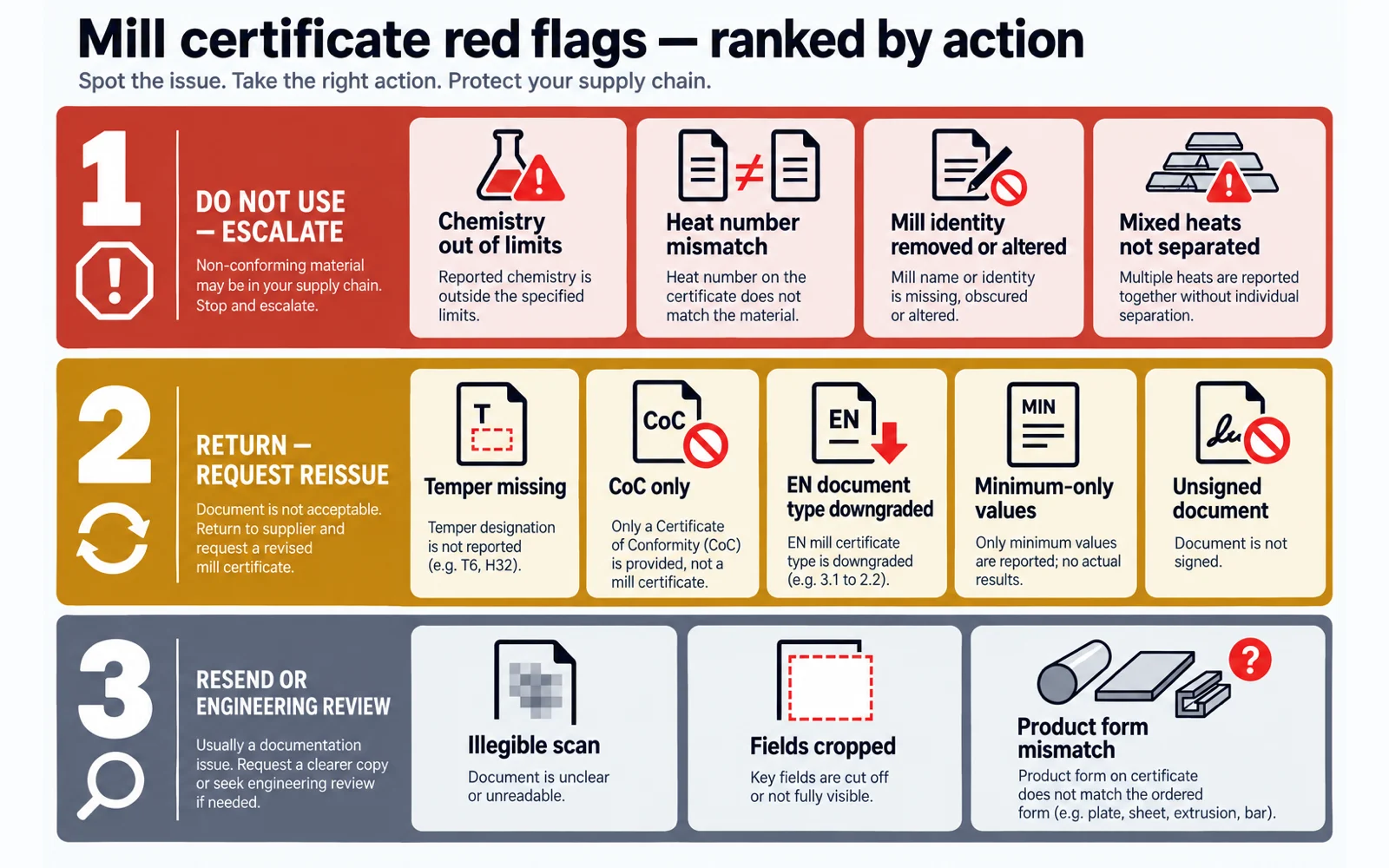
| Red flag | Why it matters | Typical buyer action |
|---|---|---|
| Temper missing (cert says alloy only, e.g. “7075”) | Cannot verify mechanical temper limits | Reject docs; request corrected cert |
| Heat on cert ≠ mark on material / packing list | Broken traceability | Hold material; supplier corrective action |
| “Certs included” but only a CoC letter arrives | No test data / weak evidence | Enforce PO wording: MTR / EN type |
| EN 10204 2.1 when PO required 3.1 | Wrong inspection-document strength | Reject; reissue |
| Chemistry outside governing limits | Nonconforming heat | Do not use; escalate |
| Mechanicals show only minima, no actuals (when actuals required) | Incomplete certification | Request full results |
| Illegible scan / cropped fields | Cannot audit | Request legible original PDF |
| Unsigned / no conformance statement | Data sheet ≠ certification | Request signed cert |
| Finish CoC presented as “material cert” | Category error | Request mill MTR separately |
| Distributor-altered mill PDF removing mill identity | Traceability / authenticity risk | Request unmodified mill cert + transfer docs |
| Mixed heats in one finished lot without split docs | Lot integrity failure | Split lots or document multi-heat map |
| Wrong product form (e.g., extrusion cert for plate callout) | Spec/property basis wrong | Engineering disposition |
Ambiguous PO language—“certs required”—is one of the most common dispute sources.
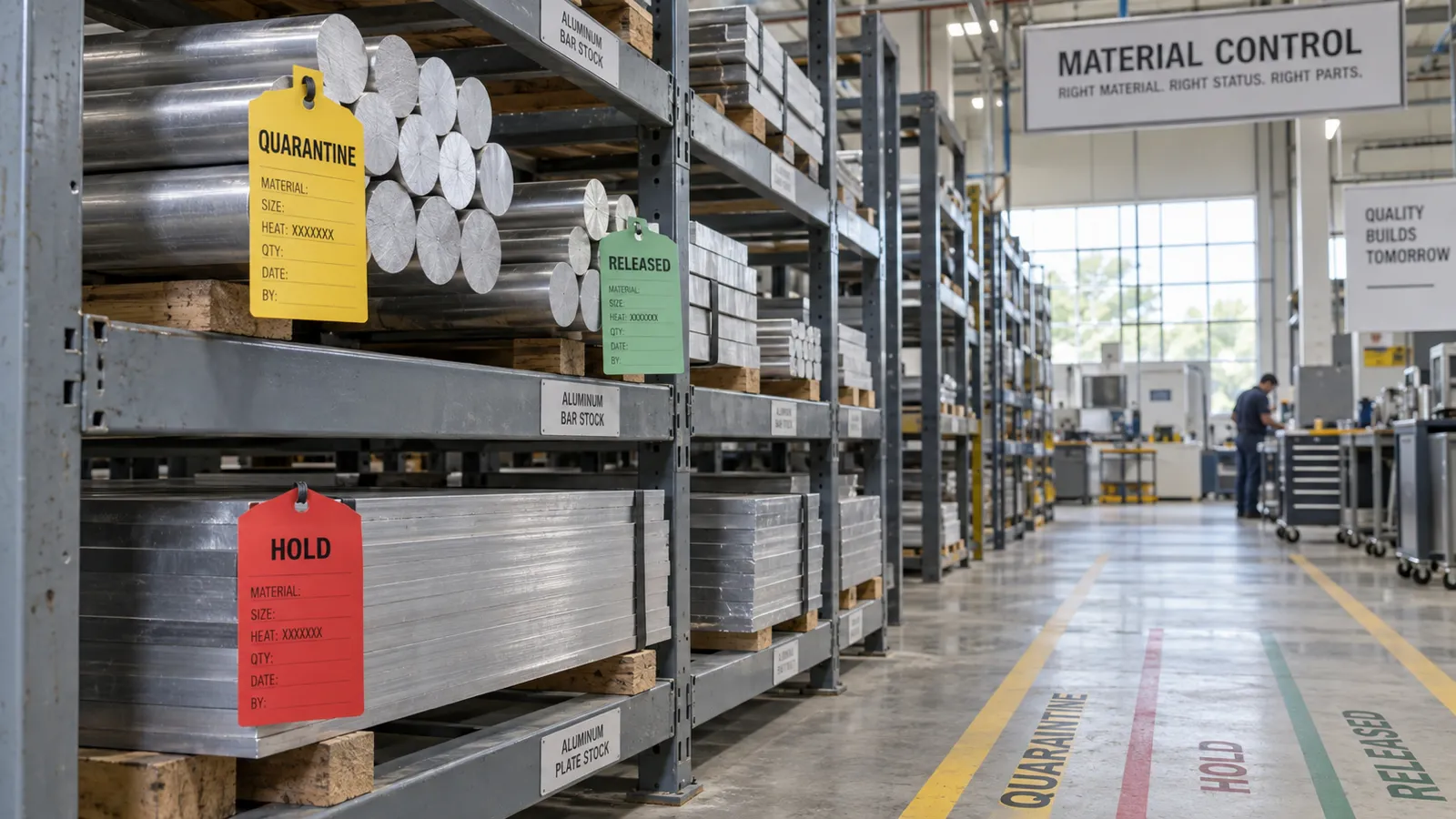
Put this on the PO checklist
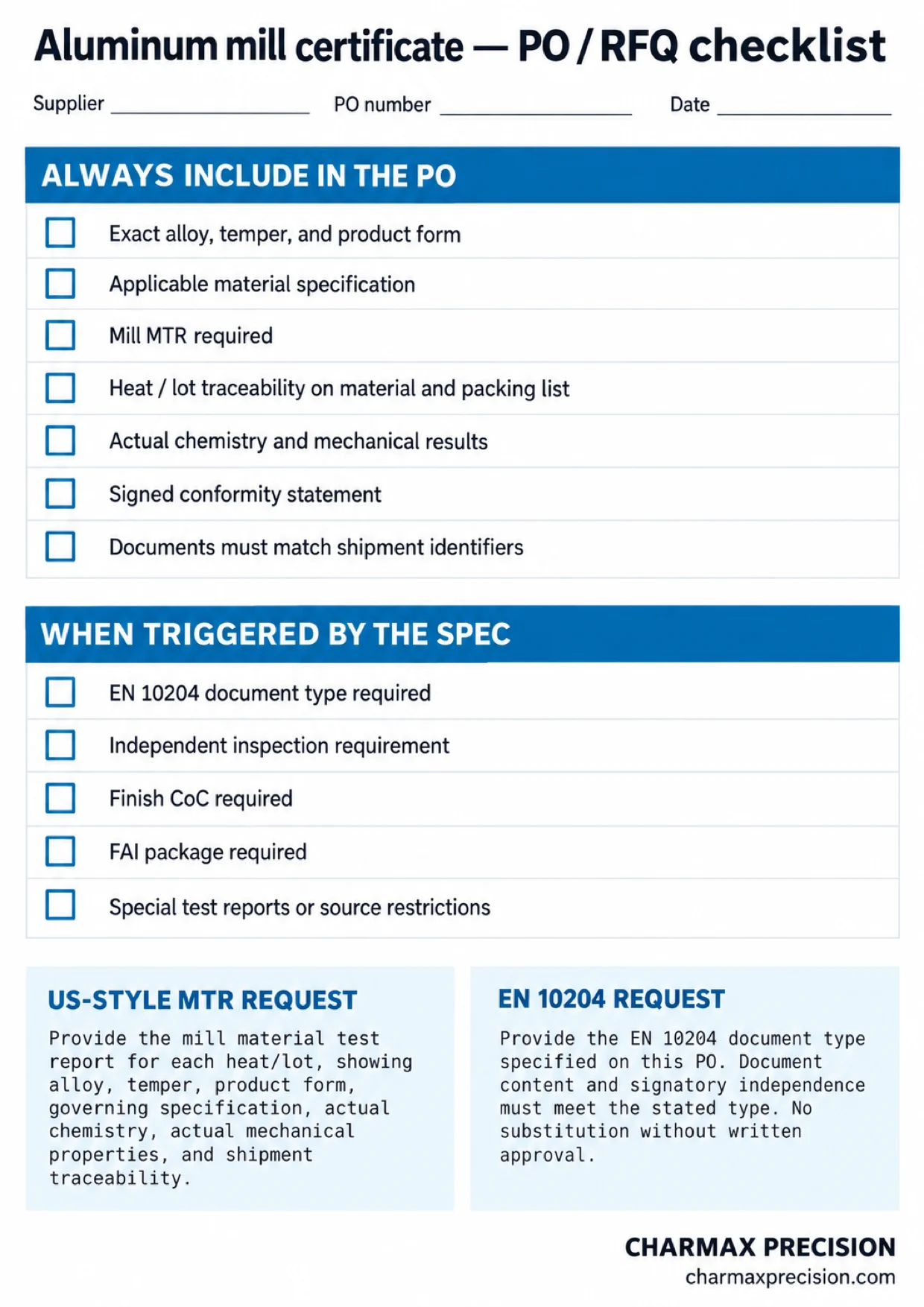
Copy-ready buyer lines (illustrative—adapt to your SQE):
- Material: Aluminum [alloy]-[temper] per [ASTM/AMS/EN product spec + revision if required], form [plate/bar/extrusion], size […].
- Documentation: Provide mill test report / mill certificate with heat (and lot) number, chemistry, mechanical properties, and signed statement of conformance to the material specification.
- If EN labeling is required: Inspection document EN 10204 Type 3.1 (or Type 3.2 if customer/regulation requires).
- Packing list shall reference the same heat/lot numbers as the mill certificate and the PO line.
- Material marking / tagging shall enable receiving to match heat/lot without ambiguity.
- Do not substitute a Certificate of Conformance in lieu of the mill test report unless explicitly approved in writing.
- If secondary finish applies: Provide a separate finish certificate/CoC for [anodize type/class or chem-film] — finish docs do not replace mill certificates.
- If lot traceability through machining is required: Finished-parts packing documents shall reference material heat(s) used.
- If FAI is required: Provide the FAI package in addition to material certificates (see the FAI buyers guide).
- Retain / supply legible PDF copies with shipment or before receiving per agreement.
Illustrative RFQ patterns
- US MTR style: “Aluminum 6061-T651 bar per ASTM B221. Mill test report required with heat number, chemical analysis, tensile properties, and signed conformance. Packing list must show matching heat numbers. CoC alone is not acceptable.”
- EN 10204 style: “Aluminum with inspection certificate EN 10204 Type 3.1. Certificate heat/lot must match product marking and delivery documents.”
- Material + finish + FAI: “Provide (1) mill certificates for raw aluminum heat(s), (2) anodize certificate for the specified finish, and (3) FAI package for the first article lot. Material certificates do not replace FAI.”
Educational patterns only—do not invent heat numbers or fabricated certificate images as RFQ “samples.”
FAQ
What material documents should buyers request by default for aluminum CNC parts?
A mill certificate / MTR showing heat/lot, alloy + temper, chemistry and mechanical results as applicable, plus packing-list heat match. Add finish CoCs when finishes apply. Add FAI when first-lot dimensional qualification is required.
What do EN 10204 Types 2.1, 2.2, 3.1, and 3.2 mean?
2.1 = compliance declaration, no test results. 2.2 = compliance + non-specific results. 3.1 = compliance + specific results validated by the manufacturer’s authorized inspection representative independent of production. 3.2 = 3.1-level results also validated by the purchaser’s representative or an official-regulations inspector. Educational paraphrase—not legal advice.
Is EN 10204 Type 3.1 the same as a US mill test report?
Often similar in buyer intent (heat-specific data), but not automatically identical. If you need formal EN 10204 typing, say so on the PO; otherwise specify required MTR fields.
How do heat/lot numbers connect packing lists to finished parts?
Cert heat → packing list / material tag → shop lot ID on the traveler → (if required) finished-part ship docs. Break any link and hold.
How do mill certs differ from FAI packages?
Mill certs evidence material identity and properties. FAI evidences that the production process made conforming first articles dimensionally and by characteristic. Request both when both risks matter. See the FAI buyers guide.
Which drawing fields must match the certificate?
At minimum alloy and temper; also product form/size/thickness and governing material spec when specified. Heat/lot must match physical material and packing list.
When are mill certs insufficient alone?
When finishes, heat treat after the mill, or dimensional FAI are required—those need separate finish, HT, or FAI documents.
What are common receiving mistakes?
Accepting a CoC instead of an MTR; missing temper; heat mismatch; treating an anodize CoC as a mill cert; illegible PDFs; and ambiguous PO wording (“certs required”).
Does CharMax provide material certificates?
CharMax Precision (ISO 9001:2015 aluminum CNC machining, Dongguan) offers FAI and material certificates, with aluminum alloy and process traceability. Certificates and batch records are available when required by the purchase order. Request mill certificates—and the EN 10204 type or MTR fields you need—on your quote or PO. This is not a claim of EN 10204, AS9100, or NADCAP accreditation.
Can a higher EN 10204 type replace a lower one?
In PED educational examples, a higher-level inspection document is described as acceptable in place of a lower one. Confirm with your customer SQE for non-PED work—do not treat PED examples as a universal CNC rule.
Do I need Type 3.2 for typical aluminum CNC brackets?
Usually only if the customer or regulation requires outside inspection. Many industrial CNC POs use MTR / 3.1-like evidence. There is no universal default.
Should chemistry always show actual element values?
Prefer actuals for audited programs. Some extrusion producers may certify to composition ranges unless actual chemistry is agreed. If you need actuals, specify that on the PO.
Request mill certificates on the quote
If material identity and heat-lot traceability matter to your release plan, put mill certificates on the RFQ or PO. State EN 10204 Type 3.1 (or 3.2) or list the MTR fields—heat/lot, alloy + temper, chemistry, mechanicals, and packing-list match. Keep finish certificates and FAI as separate line items when those risks also apply.
CharMax Precision (ISO 9001:2015 aluminum CNC, Dongguan) can provide material certificates and alloy/process traceability when required by PO, including mill certificates / MTRs passed through from material suppliers. Share the drawing revision, alloy/temper callout, and documentation list—then request mill certificates on the quote.