
H7 bores and press fits ship exactly as machined — no film-thickness compensation, no post-coat gauging.
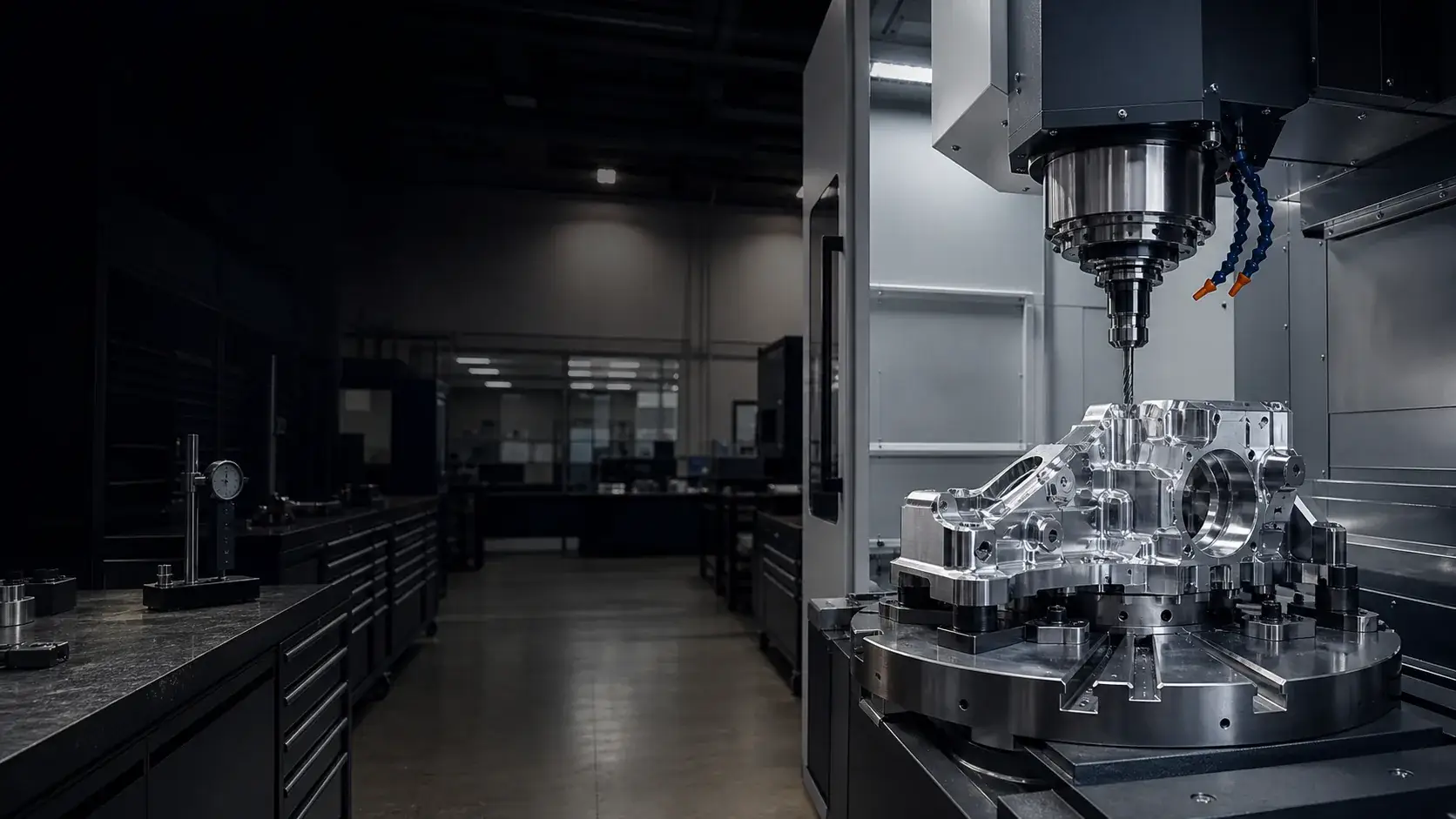
As-machined surface finish
As-Machined Aluminum Finish
As-machined means the part ships exactly as it leaves the CNC — cleaned and deburred, but uncoated. It's the fastest, cheapest, and most dimensionally honest finish there is.
The engineering question isn't whether as-machined looks good enough; it's whether your part's environment lets you keep the advantages of bare aluminum.
What this finish is
Bare metal, controlled — not unfinished
An as-machined finish is defined by what we control at the spindle: surface roughness from toolpath strategy, uniform edge breaks from planned deburring, and cleanliness from washing and packaging. There is no coating step — the surface you see is the cut aluminum itself, with faint, regular tool witness lines.
Bare aluminum self-passivates instantly with a thin natural oxide, which protects it adequately in dry indoor service. What that oxide doesn't do is resist fingerprints, salt, or repeated handling — which is exactly the boundary where anodizing starts earning its cost.
- Surface roughness
Ra 1.6 µm standard on milled faces; Ra 0.8 µm on request for functional surfaces. - Dimensional impact
Zero — the only finish that adds nothing to your tolerances. - Conductivity
Full electrical and thermal conductivity at every surface. - Lead time & cost
The fastest and cheapest option: no finishing house in the loop. - Appearance
Bright metallic with visible, regular machining marks; not color-stable over years of handling.
Benefits
Why engineers specify as-machined
The right reasons to skip coating are functional — dimension, conductivity, schedule — not just budget.
Grounding, EMI bonding, and thermal interfaces work at every face without masking plans.
Removing the finishing step removes days of lead time and a line item from the quote.
Reference surfaces stay measurable and can be re-cut at rebuild — why fixture datums ship bare.
No coating means no coating failures — relevant for parts flexed, pressed, or re-worked in service.
Fit-check prototypes in bare metal validate machined dimensions before finishing enters the equation.
Typical applications
Where as-machined parts belong
Bare aluminum is the standard choice anywhere the part lives indoors, gets handled rarely, or must stay exactly the size we cut it.
Reference faces on fixture plates and inspection tooling stay uncoated so they can be probed and re-certified.
Spacers, blocks, and brackets inside dry enclosures — coating adds cost without adding life.
First articles and EVT hardware where dimensional truth matters more than looks.
Bonding surfaces and RF test hardware that need bare-metal conductivity everywhere.
Heat sink bases and cold plate faces where any film adds thermal resistance.
Assembly aids and line tooling with service lives too short to amortize finishing.
Design considerations
Specifying as-machined correctly
The drawings that go wrong say 'no finish' and stop. These callouts make bare parts arrive the way you imagined them.
Write Ra 1.6 (or 0.8 on functional faces). 'Good machined finish' means something different in every shop — a number is inspectable.
'Break all edges 0.3–0.5 mm' turns deburring into a spec. Handled parts and seal paths deserve explicit edge callouts.
Bare aluminum stains from fingerprints and coolant residue. Specify wash, gloves-only handling, and VCI or oiled packaging for storage.
Even bare parts have a show face. Identify it so we fixture and pack from the other sides.
Dry indoor service: bare is fine for years. Humid, coastal, or handled daily: budget for clear anodize now rather than corrosion complaints later.
Parts can ship bare now and anodize later only if dimensions were planned for it — say so at RFQ if a coated version may follow.
Compatible aluminum grades
How each alloy behaves left bare
Alloy chemistry decides both how good the machined surface looks and how long it stays that way.
| Alloy | Suitability | Engineering notes |
|---|---|---|
| 6061-T6 | Excellent | Clean bright finish, good natural oxide — the standard bare-part alloy |
| 7075-T6 | Good indoors only | Crisp machined surfaces, but pits in humid air — don't ship it bare outdoors |
| 2024-T351 | Poor | Corrodes quickly bare; we plan chem-film or anodize on 2024 by default |
| 5052-H32 | Excellent | The one alloy that genuinely tolerates bare wet service — expect a duller machined finish |
| MIC-6 | Excellent | Standard for tooling plate — matte grey factory faces often ship as-supplied |
Comparing coatings instead? Return to the aluminum surface finishes hub or read the full anodized aluminum CNC machining guide.
Related products
Parts that commonly ship as-machined
The product families where bare aluminum is a first-class choice, not a compromise.
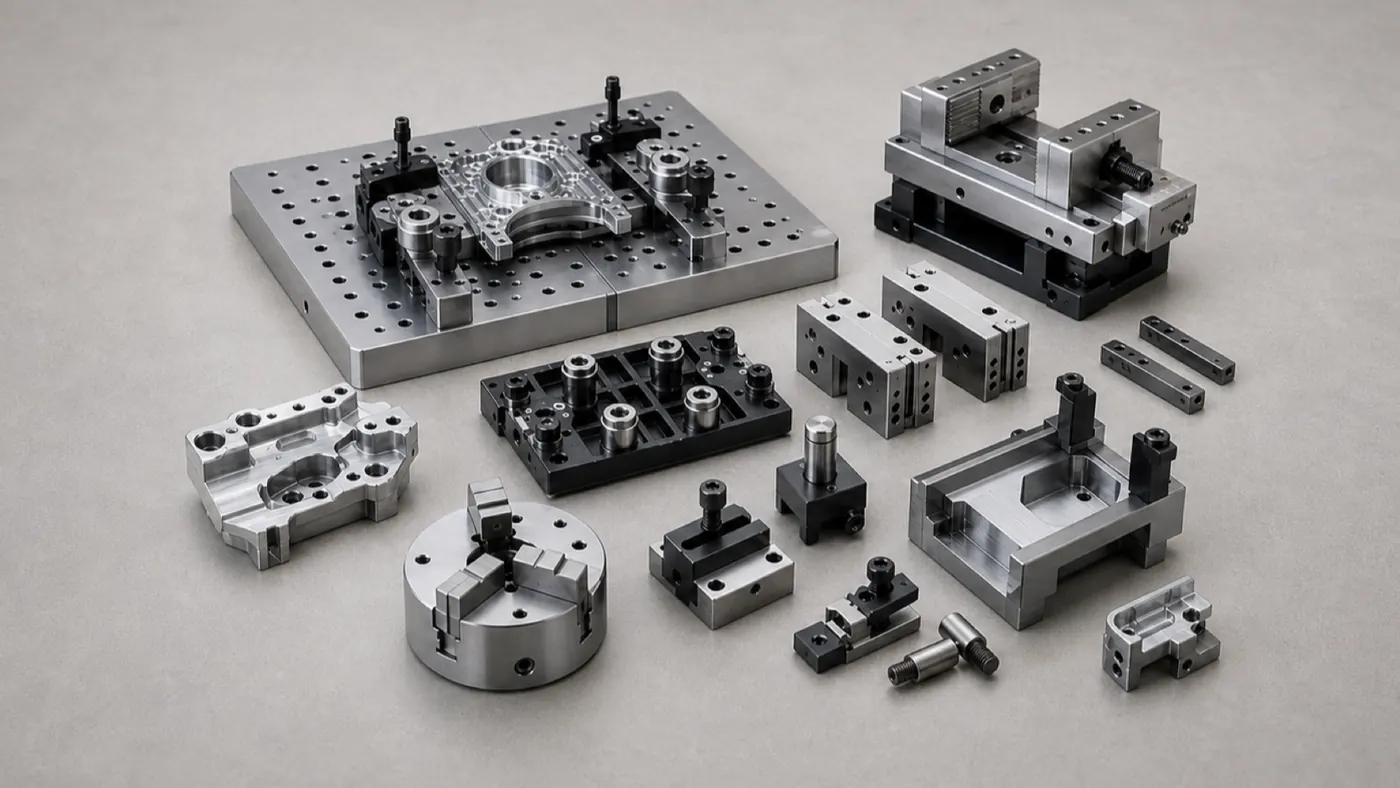
Aluminum CNC fixtures, soft jaws & tooling
Tooling with bare reference faces that stay measurable through years of rebuilds.
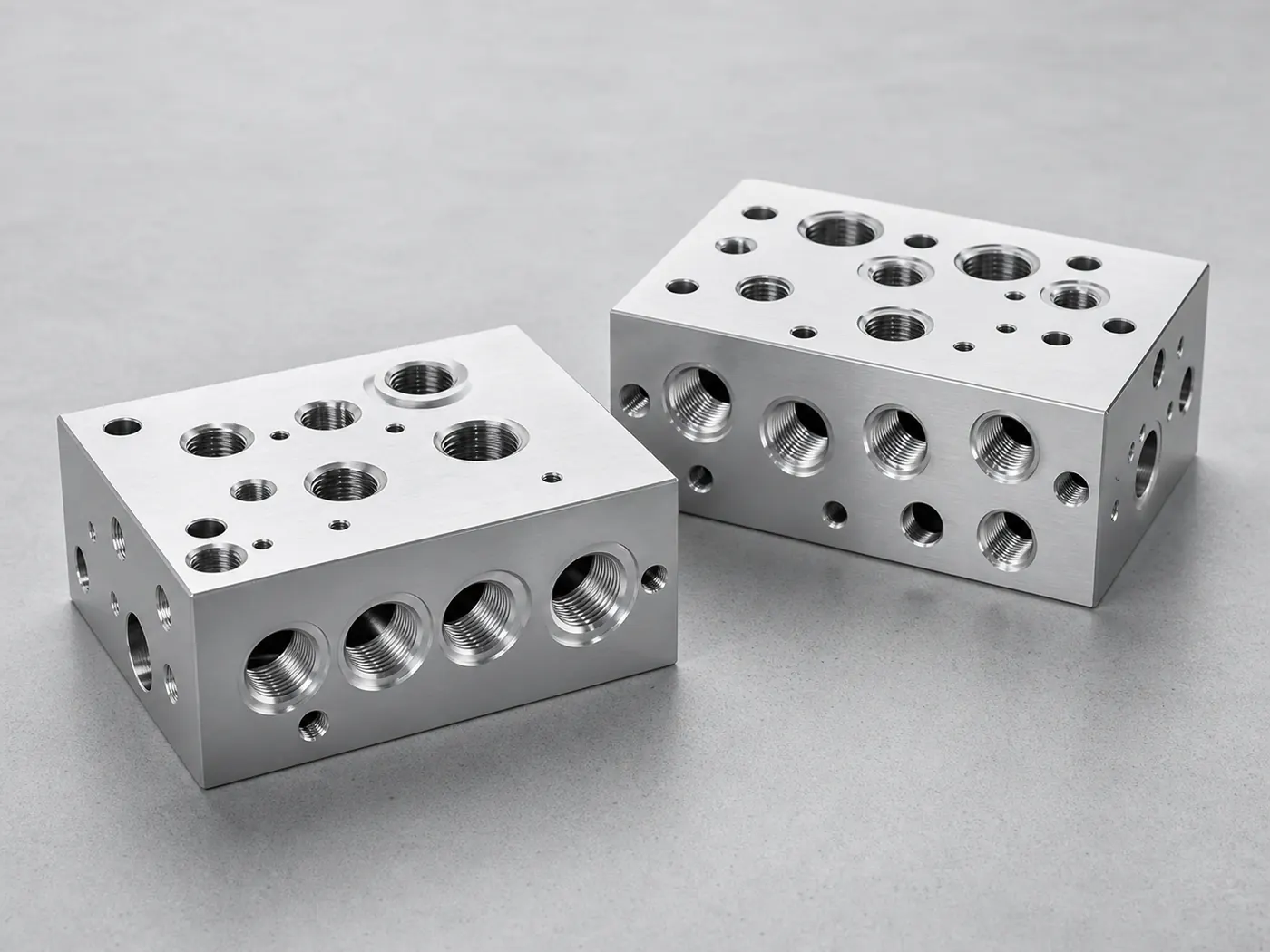
CNC machined aluminum manifold blocks
Prototype and short-service blocks shipped bare with documented flush and capped ports.
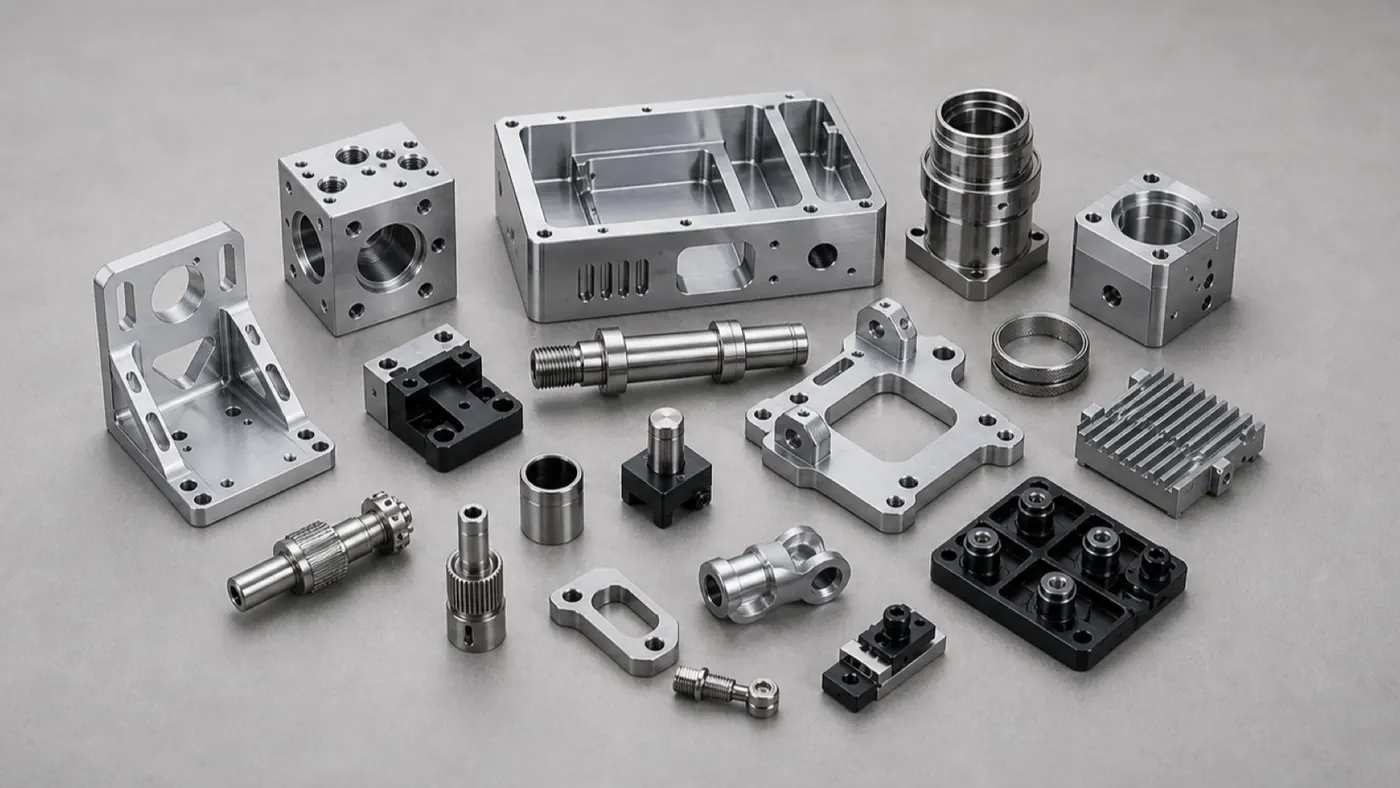
Custom aluminum CNC machined parts
Drawing-built parts and prototypes where dimensional truth comes before cosmetics.
Case studies
Case studies with this finish
Aluminum CNC projects that use this surface finish — with specifications, engineering challenges, and inspection notes.
Fixtures & Tooling Precision Aluminum Fixture Plate — MIC-6 Inspection Base
A MIC-6 cast-plate fixture with an H7 dowel and tapped-hole grid on a flat datum face, machined to stay flat after pocketing for repeatable workholding and inspection.
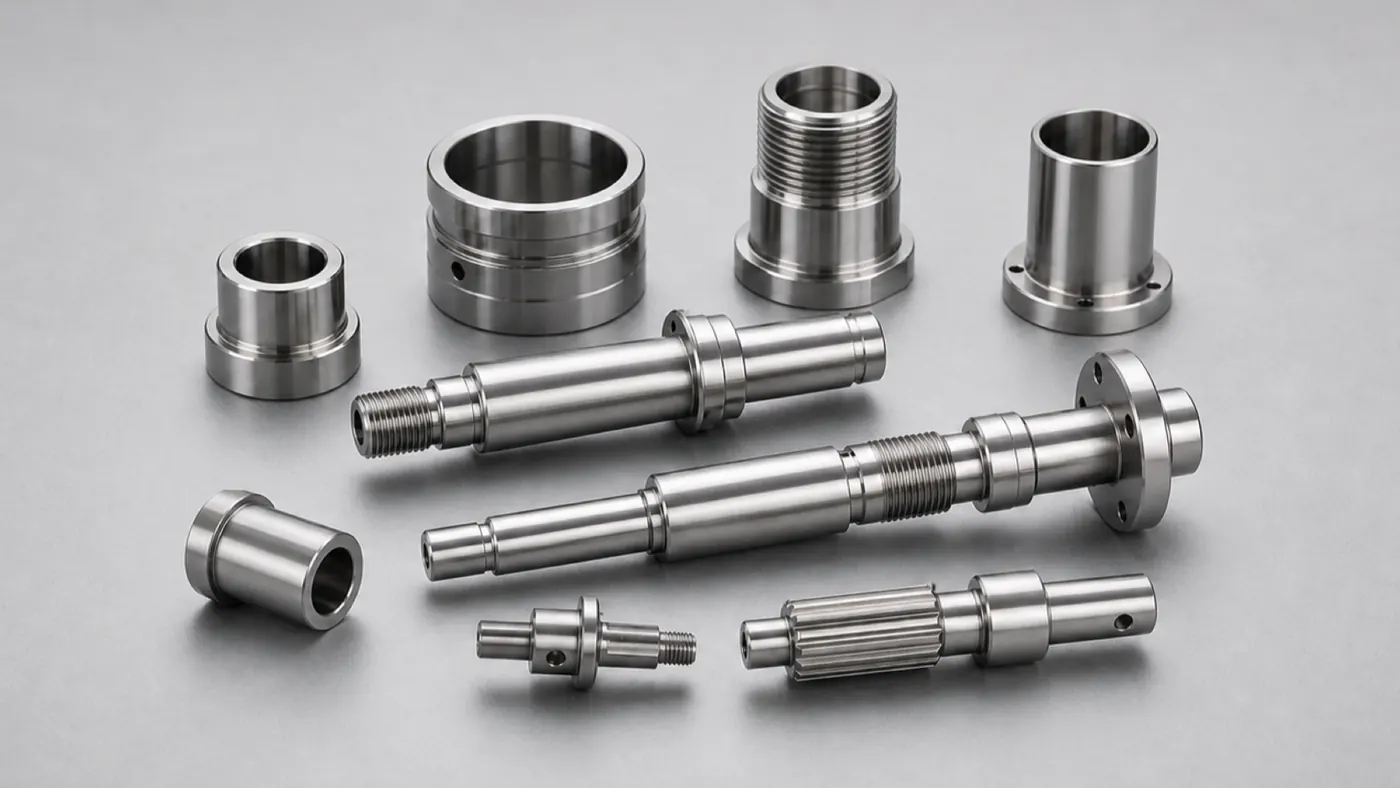
Precision Turned Parts Precision Turned Aluminum Shaft — 7075 Mill-Turn Component
A 7075-T6 turned shaft with bearing seats, gauged threads, and cross-drilled mill-turn features, held to tight concentricity for a rotating motion assembly.
Browse the full engineering portfolio in the aluminum CNC machining case studies hub.
Quote your as-machined aluminum parts
Send STEP and PDF with Ra, edge-break, and cleanliness callouts — or tell us the environment and we'll confirm bare is the right call. Engineering review within one business day.
- Machining and finishing under one PO
- Engineering review within one business day
- Masking planned at CAM
- ISO 9001 quality management