
Flat, drilled, and doweled foundation plates in MIC-6 and 6061 that hold sub-assemblies in alignment.
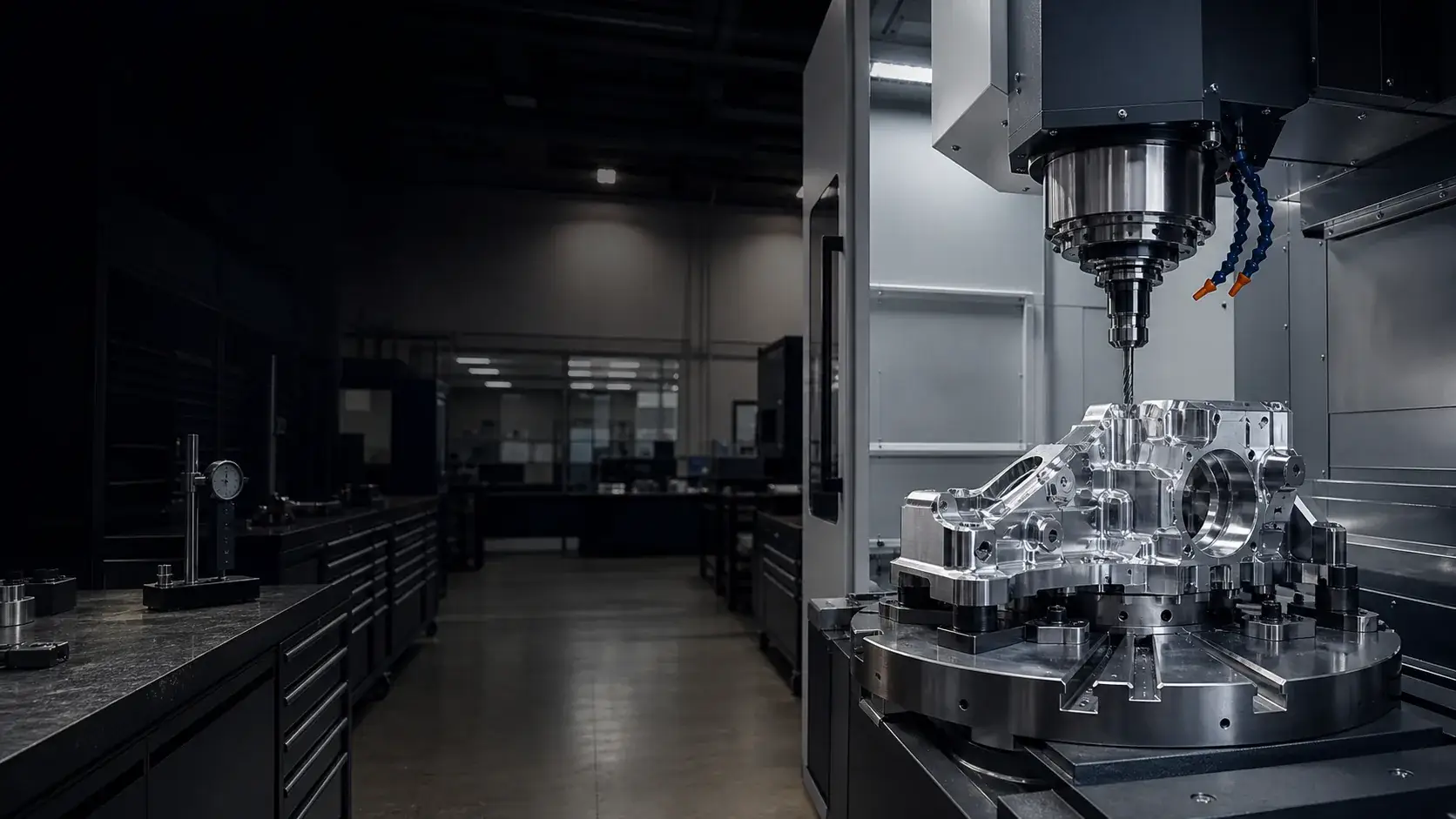
Industrial machinery & equipment
Aluminum CNC Machining for Industrial Equipment
Industrial machinery runs on machined components nobody celebrates: base plates that hold alignment, brackets that carry load for decades, and covers that come off for service a thousand times.
We machine aluminum machine components for equipment builders and plant engineers — new-build production hardware and drawing-accurate replacements — quoted from single pieces to recurring release schedules.
- ISO 9001:2015
- Prototype to production
- Engineering review within one business day
- Material certificates available
- FAI reports available
Typical components
Machine components we build for equipment makers
Industrial orders span the whole machine — structural, fluid, and enclosure hardware quoted as one package.
Load-carrying brackets, columns, and interface blocks machined to bolt square against frames and castings.
Service-access hardware with hinge details, captive-fastener bosses, and finishes that survive shop-floor life.
Hydraulic, pneumatic, and coolant distribution blocks with gauged ports and flat sealing faces.
Bearing housings, spindle adapters, tensioners, and alignment hardware with fit-class bores.
Drawing-built spares for equipment whose OEM is gone or slow — reverse-engineering support when only the worn part exists.
Recommended aluminum grades
Alloy selection for machine components
Industrial equipment favors boring, dependable material choices — the right instinct. 6061 carries the catalog; the rest solve named problems.
| Alloy | Why this industry specifies it | Typical parts |
|---|---|---|
| 6061-T6 | The industrial standard: strong enough for most machine hardware, weldable into fabricated assemblies, and cheap enough to specify without a meeting. | Brackets, blocks, covers, manifolds — the default |
| MIC-6 cast plate | Machine beds and reference plates that must stay flat after machining and through years of thermal cycling on the shop floor. | Base plates, alignment plates, inspection surfaces |
| 7075-T6 | Moving machine elements where mass limits acceleration — 7075 replaces steel details at a third of the moving weight. | High-speed carriage parts, loaded cams, press details |
| 5052-H32 | Washdown zones, chemical plants, and outdoor equipment — corrosion resistance that doesn't depend on coating integrity. | Wet-area covers, guards, chutes, panels |
| 2024-T351 | Vibration-heavy equipment where fatigue retires brackets early — a targeted upgrade, always coated. | Vibrating-equipment mounts and cyclically loaded links |
Machining challenges
The realities of machining equipment hardware
Industrial parts are less about exotic tolerances and more about size, honesty, and lifecycle — machines get rebuilt, and their parts should expect it.
Machine bases and long brackets exceed what wishful tolerancing can hide. We quote flatness we can measure — 0.05 mm/500 mm on MIC-6 plate work — and tell you when your callout needs different stock, not different promises.
Weight-reduced machine parts remove kilograms of material. Balanced roughing and stress-aware sequencing keep thick 6061 sections from bowing as they're hollowed.
Bearing housings and spindle seats need H7 accuracy in parts too large for convenient re-fixturing. We machine and verify fits in the same setup that establishes the datum faces.
Service covers come off hundreds of times. Helical inserts on all service-loosened threads is our standing recommendation — it turns thread wear from a housing replacement into a hardware swap.
Spares must match the machine, not just the drawing — worn originals, undocumented field mods, and dead OEMs are normal. We measure what you send and document what we build.
One machine's spares list runs from a single bed plate to twenty clamp blocks. We batch mixed orders for one delivery, because a machine down for parts is down for the last part.
Surface finishing
Finishes that survive the shop floor
Industrial finishes are chosen against coolant, impacts, and decades of handling — cosmetics matter mostly on operator-facing surfaces.
The default for machine hardware — coolant and cleaning-agent resistance at negligible dimensional cost.
Ways, wear strips, and sliding interfaces — hardcoat turns aluminum into a legitimate wear surface for moderate PV loads.
Machine-color matching and impact resistance on guards, doors, and external covers; machined fits masked.
Operator-facing panels and glare control around displays, HMIs, and inspection stations.
Grounding continuity on electrical enclosure hardware and pre-paint protection on fabricated assemblies.
Legitimate for internal dry-environment parts — specify cleanliness and rust-preventive expectations instead of paying for coating.
Full finish specifications live in the aluminum surface finishes hub — including clear anodized, black anodized, hardcoat anodized, chem film, and laser marking guides.
Inspection & quality
Inspection scaled to the part's job
A guard bracket and a spindle housing don't deserve the same inspection bill. We scale verification to function and document what your maintenance records need.
- First article inspection
FAI on new part numbers and on replacement parts reverse-engineered from worn originals. - CMM verification
Fit-class bores, located patterns, and flatness on foundation parts measured and reported. - Dimensional reports per batch
Agreed critical dimensions reported on recurring orders, catching drift before it reaches your assembly bay. - Thread and fit gauging
Port threads, service threads, and press-fit bores checked with standard gauges. - Material certificates
Alloy and temper traceability on request — standard for equipment with end-customer documentation. - Surface and finish verification
Ra checks on sealing faces and sliding surfaces; coating thickness verified on hardcoat wear parts.
Project gallery
Industrial machining examples
Representative equipment work: foundation plates, fluid blocks, and machine hardware.
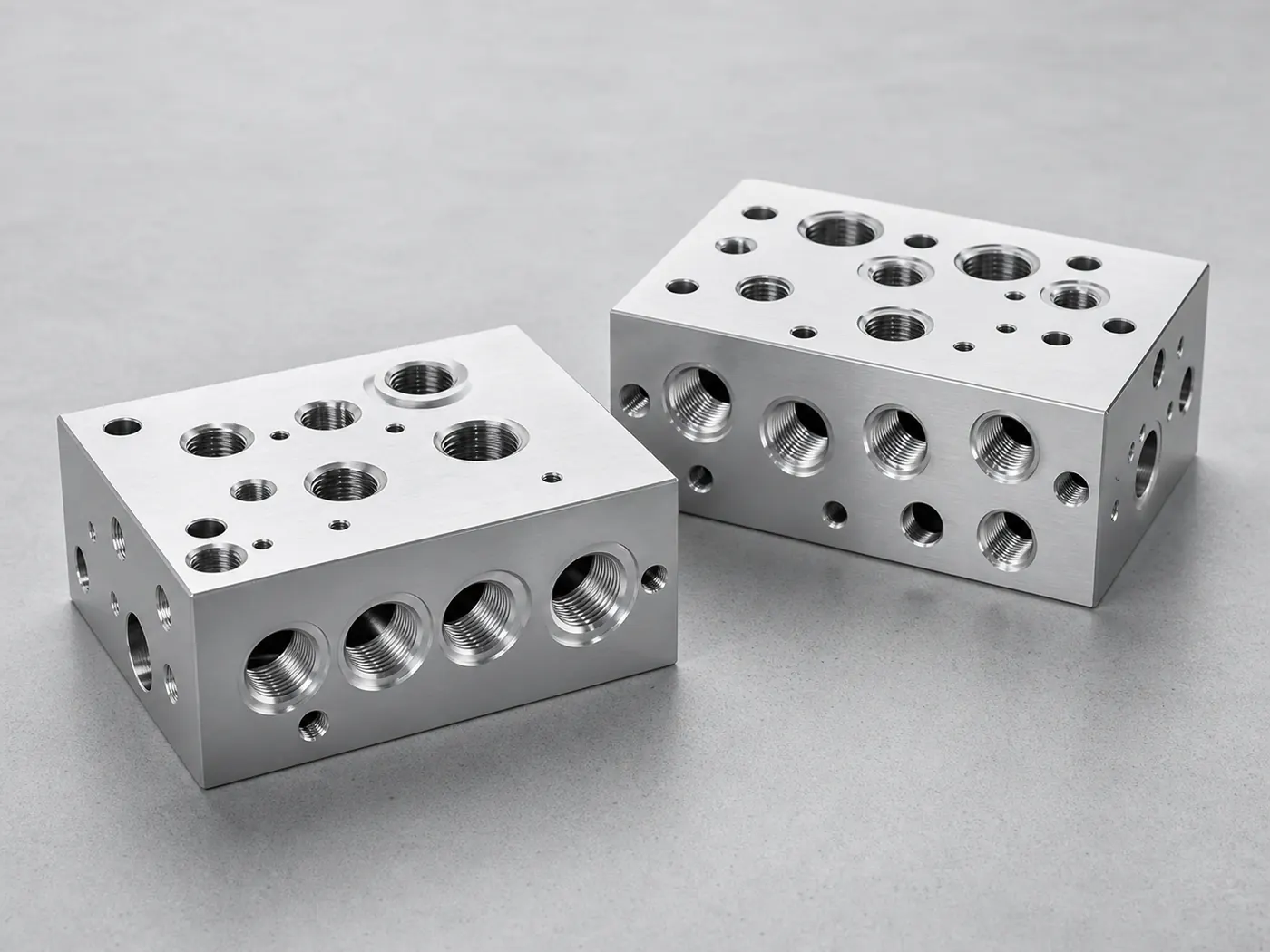
Fluid distribution blocks
Hydraulic and pneumatic manifolds with gauged ports and tested passages.
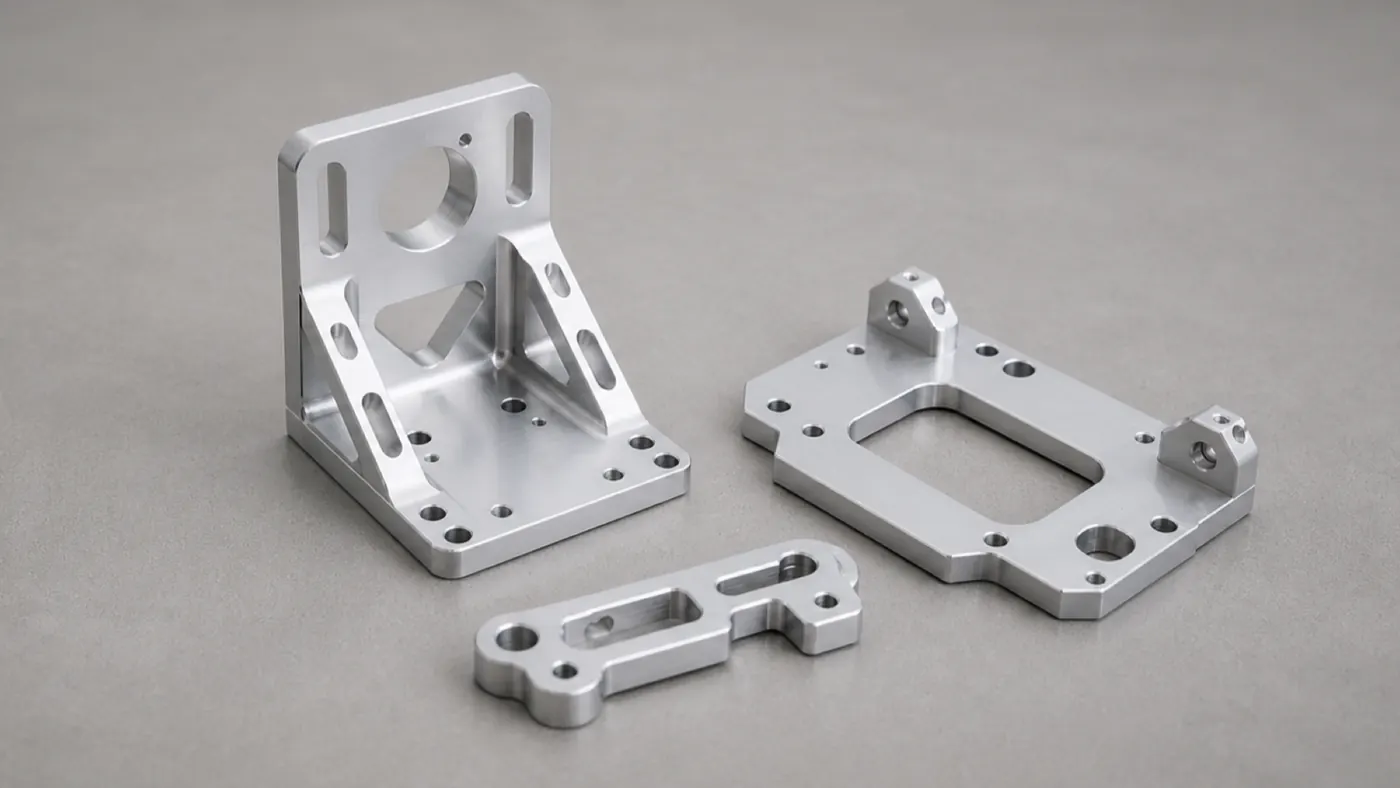
Structural machine brackets
Load-carrying brackets and interface blocks machined flat, square, and doweled.
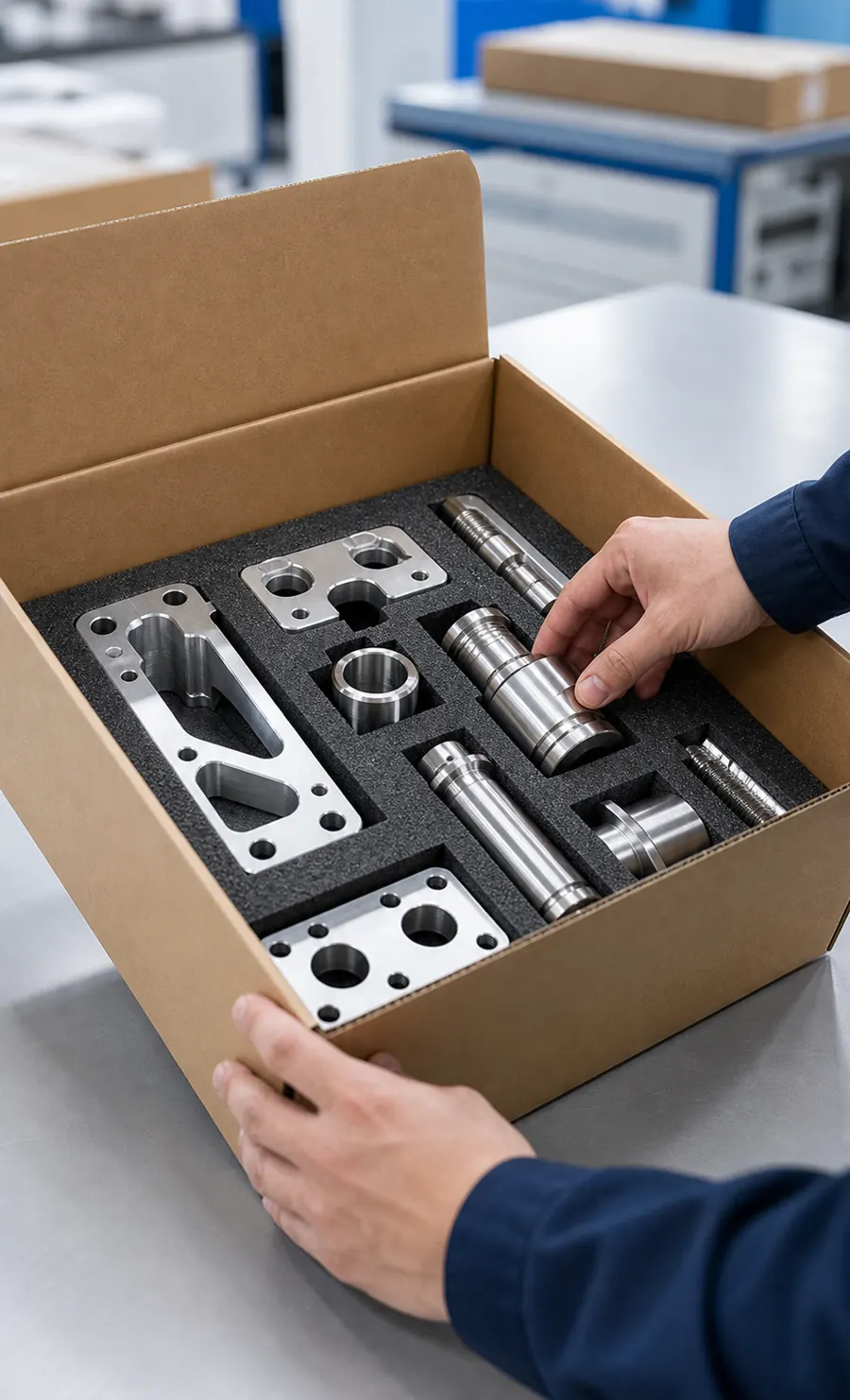
Kitted machine orders
Mixed-quantity equipment orders inspected, documented, and shipped as complete kits.
Related guides
Guides equipment builders use next
The adjacent guides for machine-building programs.
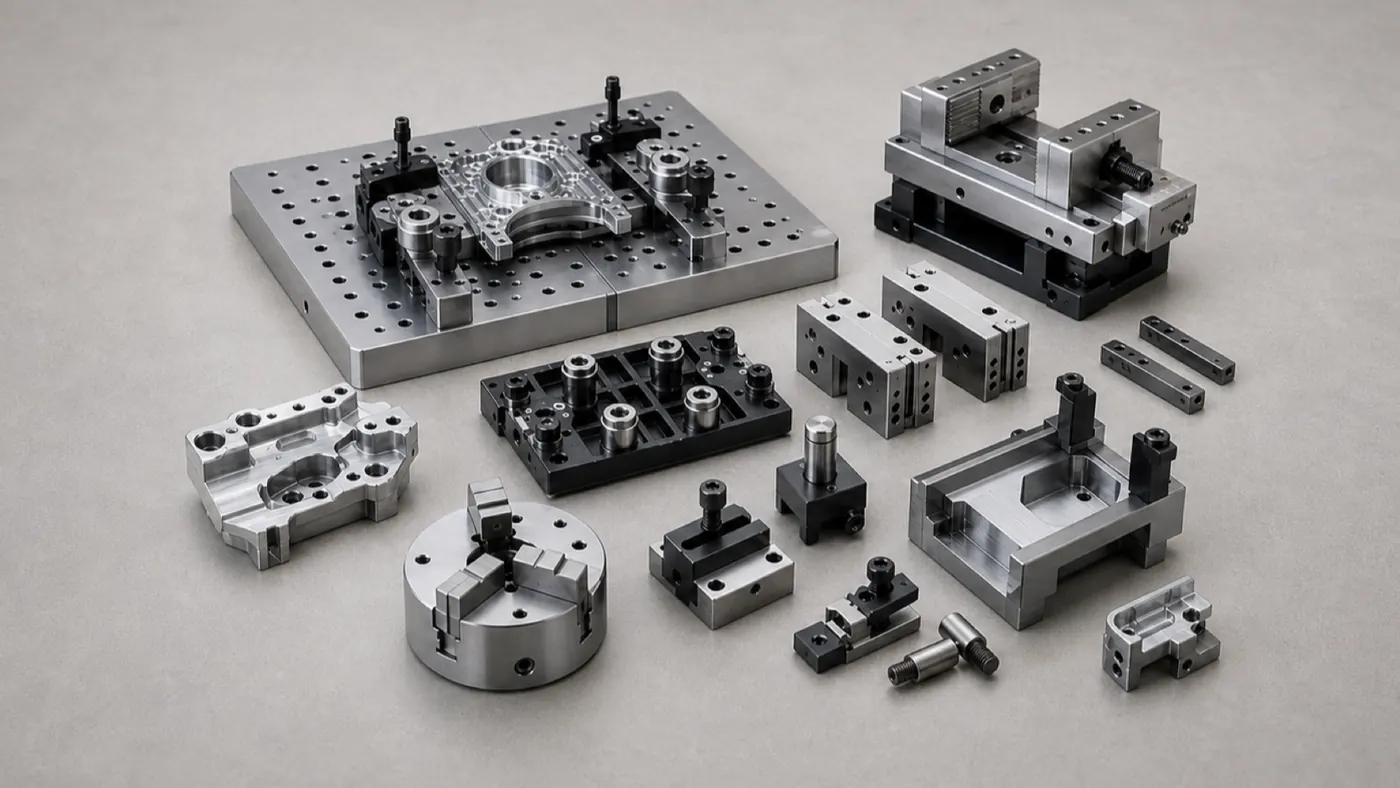
Aluminum CNC machining for automation equipment
The automation-cell side of machine building: fixture plates, nests, and station hardware.
CNC machined aluminum manifold blocks
The manifold deep-dive: port standards, passage design, and pressure-test planning.
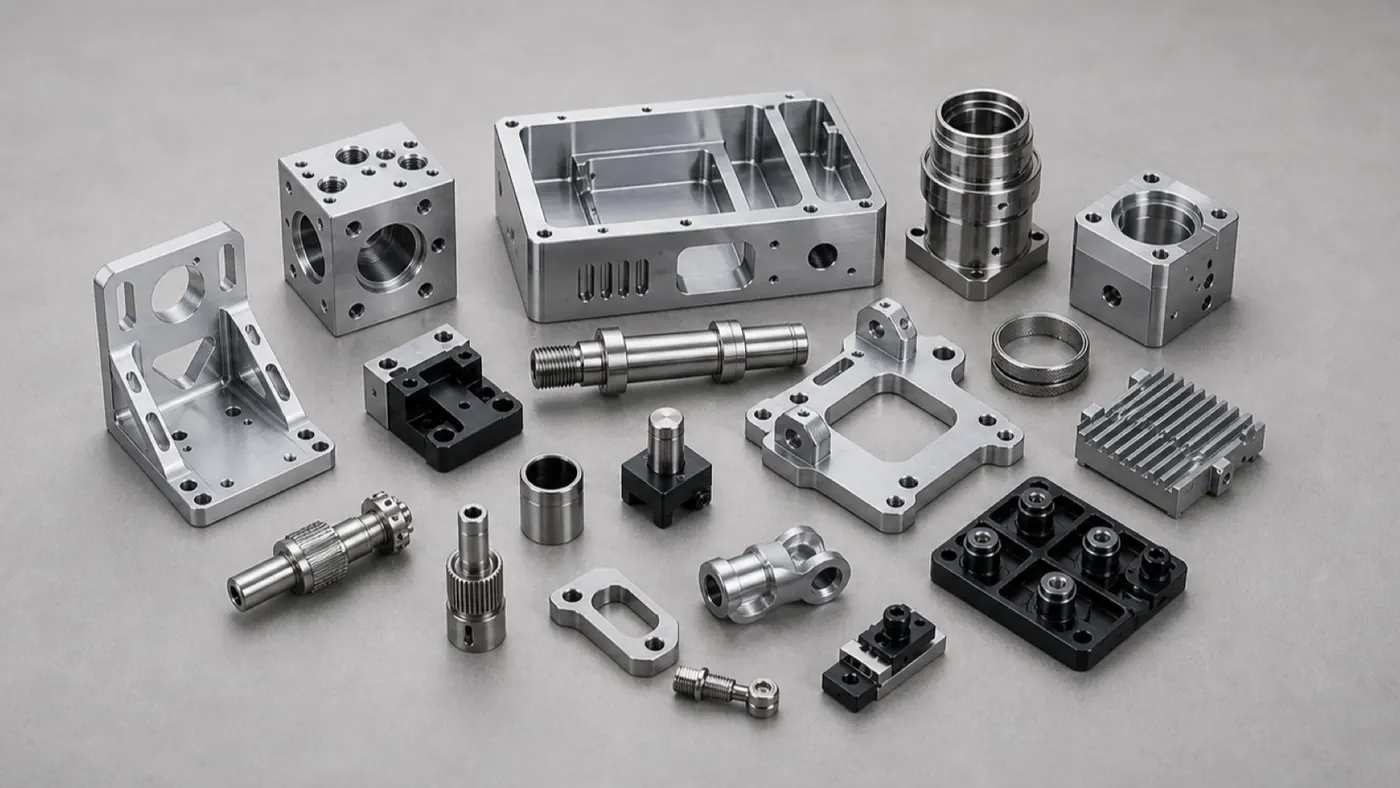
Aluminum CNC machining for aerospace tooling
When equipment work crosses into aerospace flowdowns: tooling, GSE, and documentation.
Case studies
Case studies from this industry
Representative aluminum CNC projects for this sector — with specifications, engineering challenges, and inspection notes.
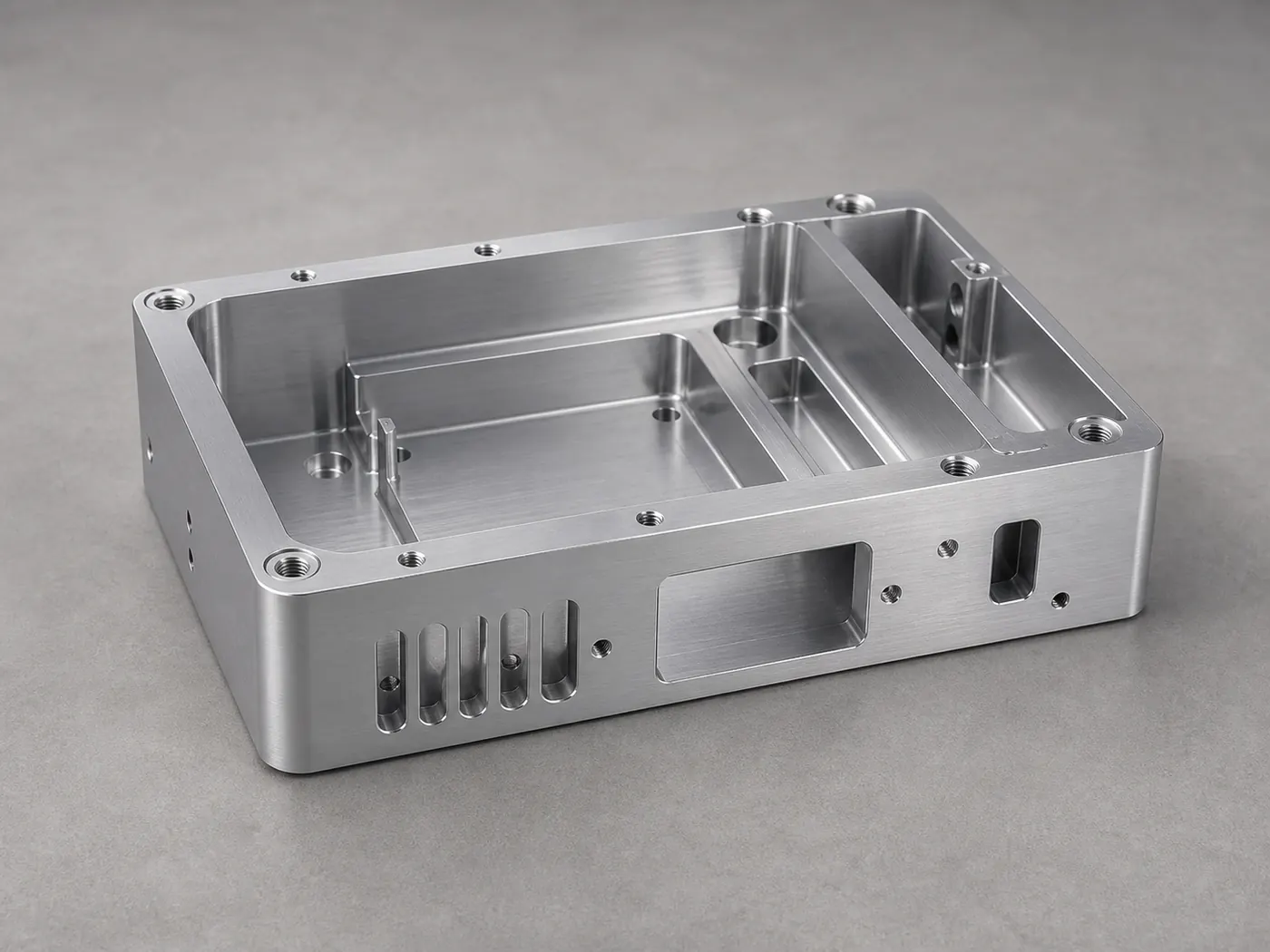
Aluminum Housings Aluminum Control Module Enclosure — Sealed 6061 Housing
A sealed 6061-T6 control module enclosure with a machined O-ring gland, threaded service bosses, and a bead-blasted black anodize finish for vibration- and coolant-exposed environments.
Manifold Blocks CNC Aluminum Manifold Block — Pneumatic Control Manifold
A 6061-T6 pneumatic manifold with cross-drilled internal passages, standard ports, and flat valve-mounting faces, leak-tested and chem-film finished for machine air control.
Industrial Equipment Industrial Pump Housing — Machined 6061 Body with Sealed Bores
A 6061-T6 pump housing with concentric bearing bores and sealed internal passages, hardcoat and chem-film finished to survive vibration, wear, and coolant in industrial service.
Browse the full engineering portfolio in the aluminum CNC machining case studies hub.
Quote your machine components
Send drawings for the whole spares list or the single part that's holding up a build — alloy, finish, and criticality noted. An engineer reviews fits, flatness, and batching, then returns one coordinated quote within one business day.
- Prototype to production
- Engineering review within one business day
- Material certificates available
- ISO 9001 quality management