
Anodized enclosures for diagnostic and lab instruments with smooth radii, sealed surfaces, and consistent cosmetic finish batch after batch.
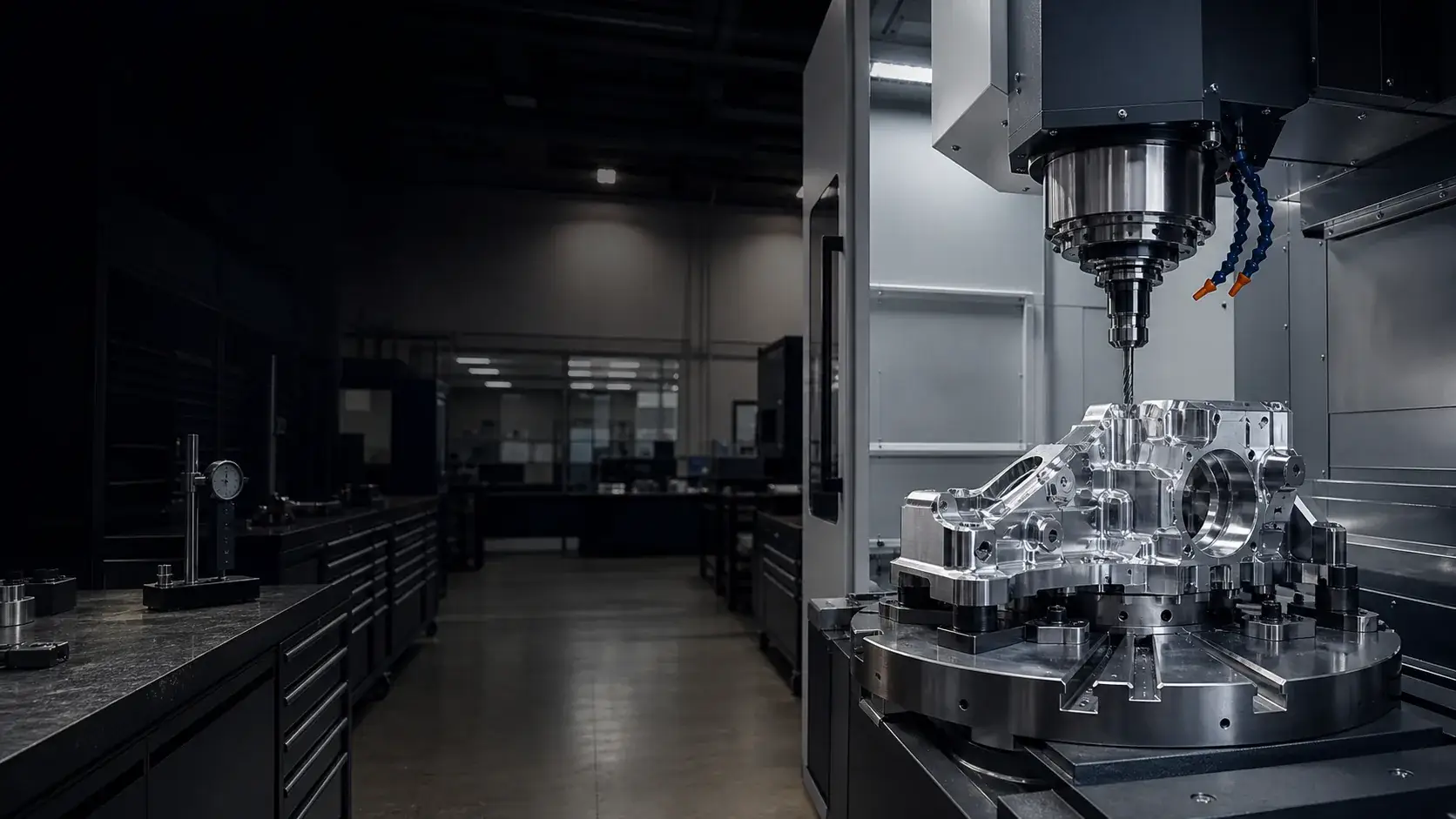
Medical & laboratory equipment
Aluminum CNC Machining for Medical Device Hardware
We machine the aluminum hardware around medical technology — equipment housings, instrument frames, positioning fixtures, and lab automation components — where cleanability, cosmetic consistency, and documentation are part of the specification, not extras.
To be clear about scope: we machine non-implantable device hardware and equipment components, with the traceability and inspection records your quality system needs to accept them.
- ISO 9001:2015
- Prototype to production
- Engineering review within one business day
- Material certificates available
- FAI reports available
Typical components
Medical equipment hardware we machine
Diagnostic, laboratory, and treatment equipment carries substantial machined aluminum — these are the part families we build for device makers.
Internal chassis, optics mounts, and module brackets that hold alignment through shipping and years of service.
Patient and sample positioning hardware with backlash-free located joints and hardcoated wear surfaces.
Flat reference plates for optical benches, sensor arrays, and analyzer modules — MIC-6 where flatness is the spec.
Pipetting-head brackets, plate nests, and gantry hardware for liquid handling and sample-prep systems.
Machined handles, hinges, and structural details for medical carts — cleanable, rounded, and cosmetically matched.
Recommended aluminum grades
Alloy selection for medical hardware
Medical equipment favors alloys that anodize predictably and clean aggressively — which puts 6061 at the center of nearly every device BOM.
| Alloy | Why this industry specifies it | Typical parts |
|---|---|---|
| 6061-T6 | The medical default: uniform sealed anodize survives disinfectant wipe-downs, and its consistency supports the batch-to-batch cosmetic matching device brands require. | Housings, brackets, frames — most of the BOM |
| MIC-6 cast plate | Optical benches and analyzer base plates that must hold alignment — stress-free plate keeps calibrated systems calibrated. | Instrument base plates, optical reference plates |
| 7075-T6 | Loaded positioning mechanisms and compact drive components where 6061 sections won't fit the envelope. | Stage mechanisms, loaded pivots, drive hardware |
| 5052-H32 | Covers and panels on equipment washed with harsh chemistry — the corrosion margin above 6061 matters in sterile processing areas. | Wash-area covers, sub-panels, formed-and-machined parts |
| 2024-T351 | Rare in medical — its corrosion behavior fights the cleaning regime. We flag it at review when a legacy drawing carries it without a fatigue case. | Legacy prints only, always coated |
Machining challenges
What medical hardware demands from machining
Medical parts add two layers on top of normal precision work: surfaces that must clean and look right, and paperwork that must reconstruct the part's history.
Crevices trap contamination, so medical housings specify generous internal radii and smooth transitions. We machine to those callouts and flag sharp corners and deep narrow slots at DFM review — before they become cleaning-validation findings.
A device family's housings must match on the same cart. We hold one alloy, one surface prep, and one anodizing lot per visible set, with boundary samples agreed at FAI — the process control behind 'they all look the same'.
Handled hardware and fluid-path-adjacent parts carry explicit edge-condition specs. Deburring here is a planned operation with visual standards, not a final polish left to whoever packs the box.
Optics and sensor modules mount on machined datums that define instrument accuracy. We machine mounting faces and dowel bores in single setups and verify their relationships on CMM.
Device production runs in dozens, not thousands, across many part numbers. Our fixture and documentation approach keeps small recurring batches economical without requalification each time.
Every part ships against a stated drawing revision. When your ECO changes a rev, our first article on the new rev documents the change — no silent transitions.
Surface finishing
Finishes for medical equipment
Medical finishing balances chemical resistance, cosmetics, and cleanability — sealed anodize does most of the work.
The baseline for internal hardware: sealed film resists disinfectants and keeps surfaces wipeable without changing fits.
Device-brand colors on visible housings; we manage dye lots and boundary samples because medical brands notice tone drift.
Optics cavities, imaging components, and glare-controlled surfaces around displays and cameras.
Wear surfaces on positioning stages and latch mechanisms that cycle thousands of times over a device's life.
The standard medical cosmetic: uniform satin that hides fingerprints and wipe marks in daily clinical use.
UDI-adjacent identification, part numbers, and symbols marked permanently — inks and labels don't survive disinfection cycles.
Full finish specifications live in the aluminum surface finishes hub — including clear anodized, black anodized, hardcoat anodized, chem film, and laser marking guides.
Inspection & quality
Documentation your quality system can accept
Medical purchasing lives on records. Our standard package covers what device QMS teams ask for — stated plainly, without pretending to be a certified device manufacturer.
- First article inspection
Full-dimension FAI on new part numbers and revisions, formatted for your incoming-inspection review. - Material certificates
Alloy and temper traceability to heat lot on every order that requests it — standard for device programs. - CMM dimensional reports
Critical features measured and reported per batch, matched to the characteristics your drawing flags. - Cosmetic inspection standards
Agreed viewing distance, lighting, and defect classes at FAI, then inspected against boundary samples per lot. - Surface finish verification
Ra measurement on specified surfaces — sealing lands, sliding interfaces, and cleanability-critical faces. - ISO 9001 process control
Our QMS covers process discipline, nonconformance handling, and record retention; your device-level regulatory work stays with you.
Project gallery
Medical hardware machining examples
Representative medical and lab equipment work: housings, precision frames, and inspected assemblies.
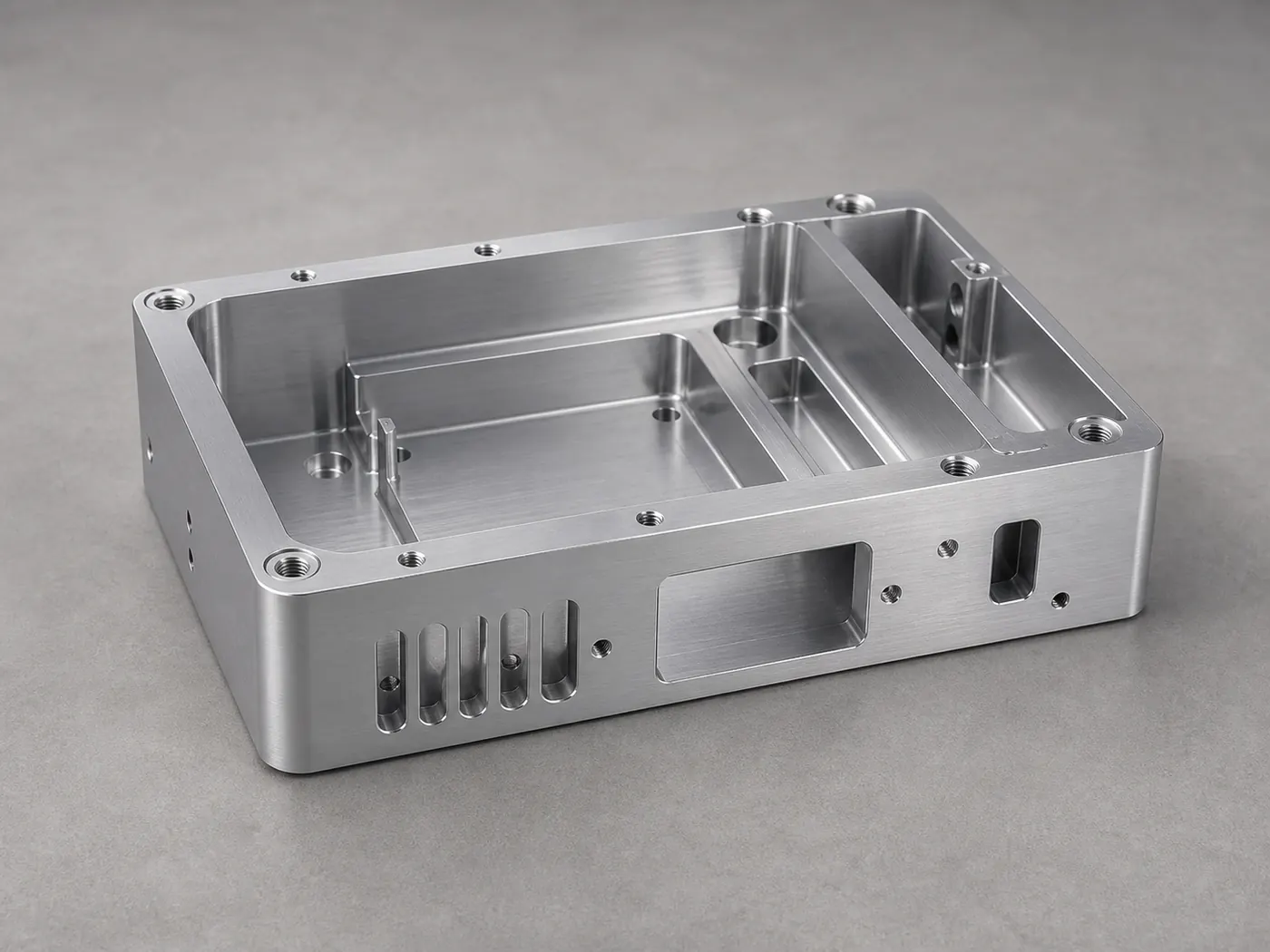
Instrument housings
Anodized diagnostic equipment enclosures with cleanable geometry and matched cosmetics.
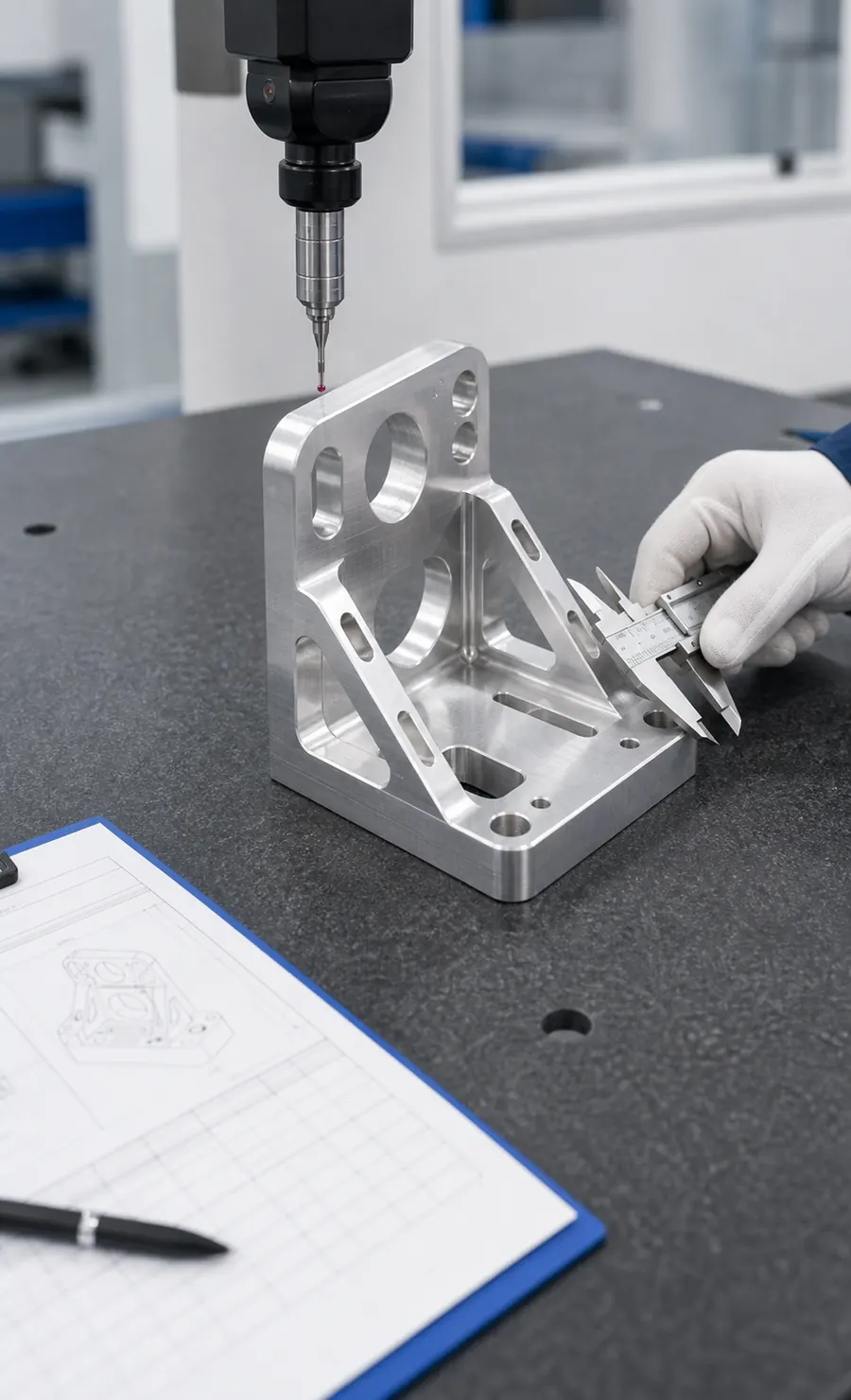
Critical feature inspection
CMM verification and documented reports on alignment-critical hardware.
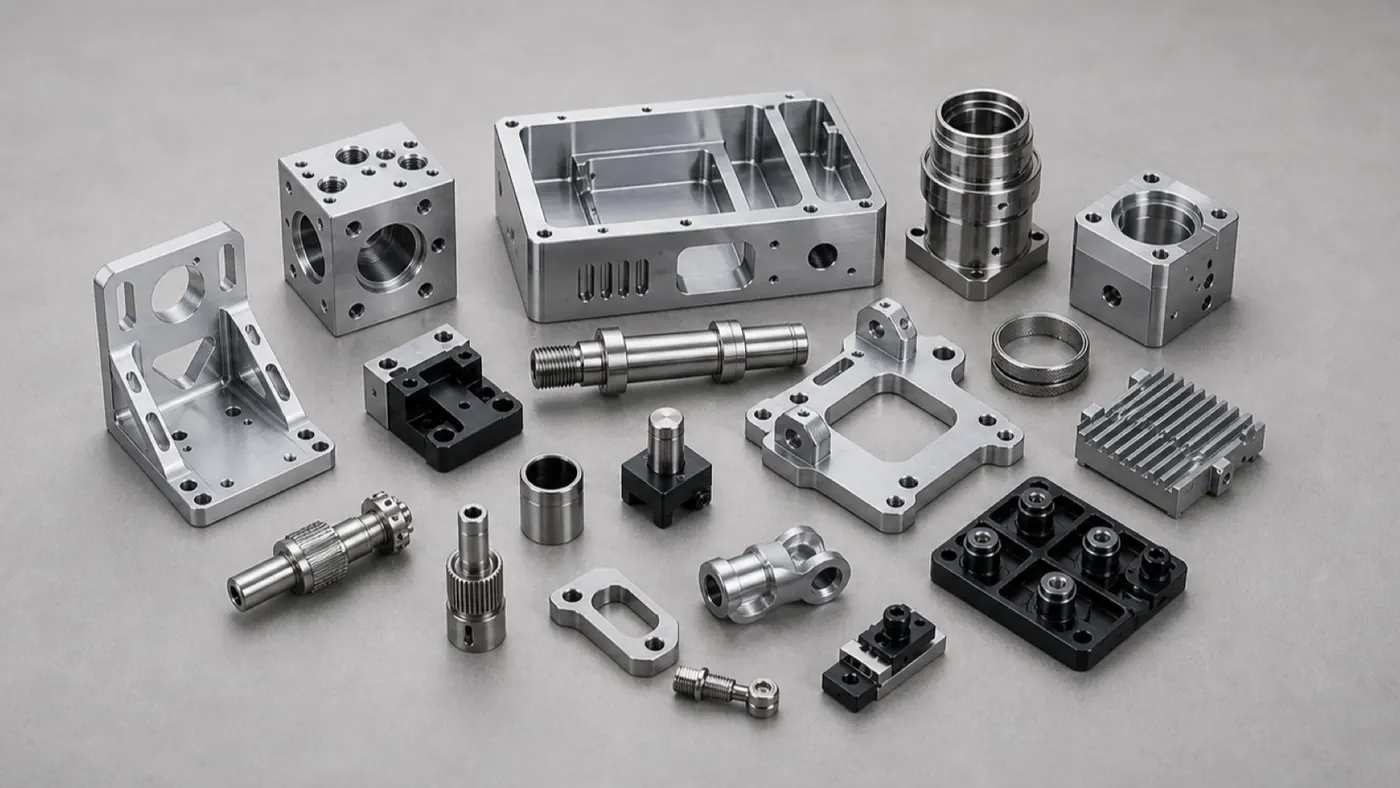
Lab automation components
Nests, brackets, and stage hardware for liquid-handling and sample-prep systems.
Related guides
Guides device teams use next
The most-adjacent guides for medical equipment programs.
Aluminum CNC machining for electronics housings
The enclosure deep-dive: EMI, thermal, and connector-face machining for device electronics.
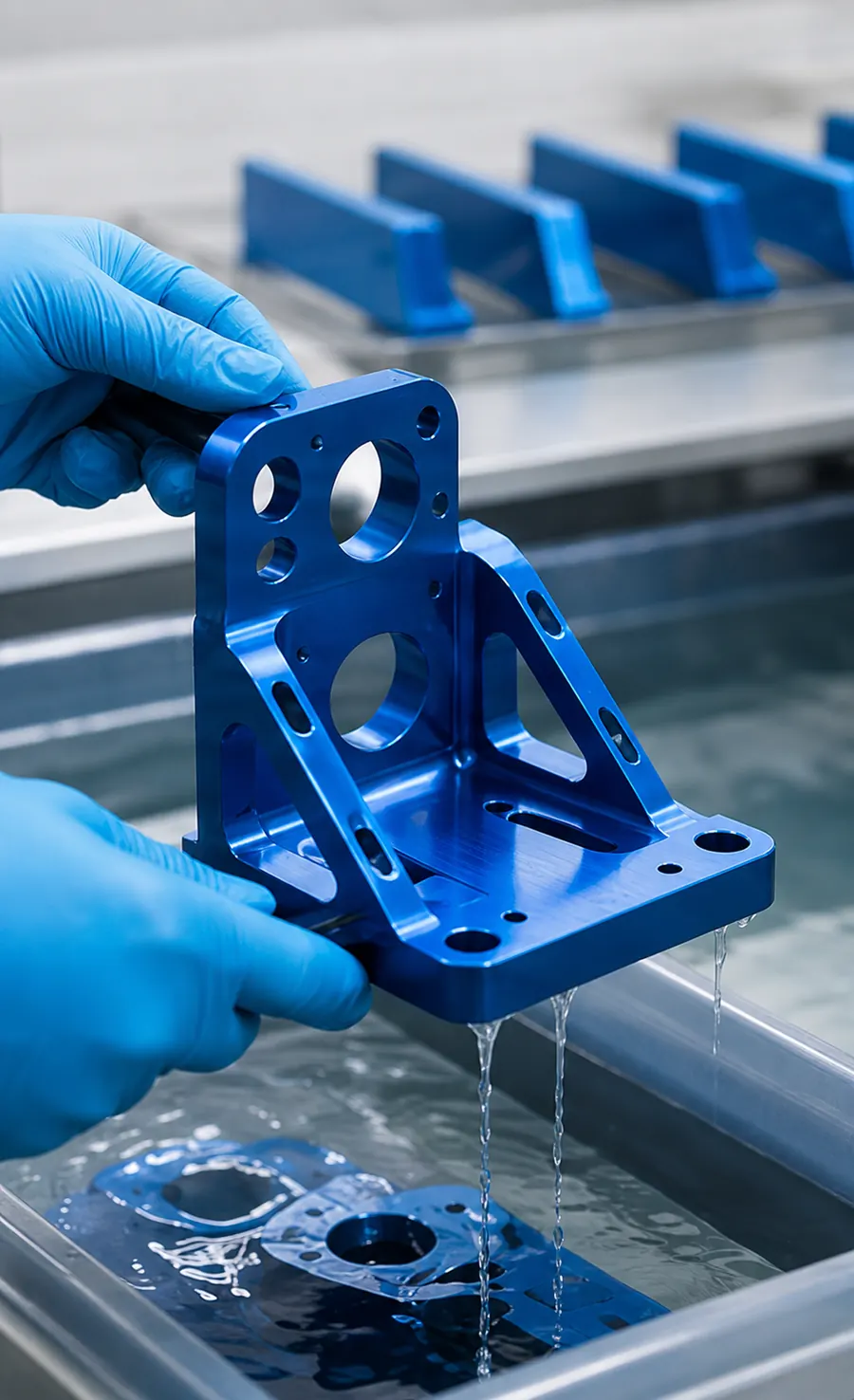
Anodized aluminum CNC machining
Film thickness, masking, and color consistency — the finishing spec behind medical cosmetics.
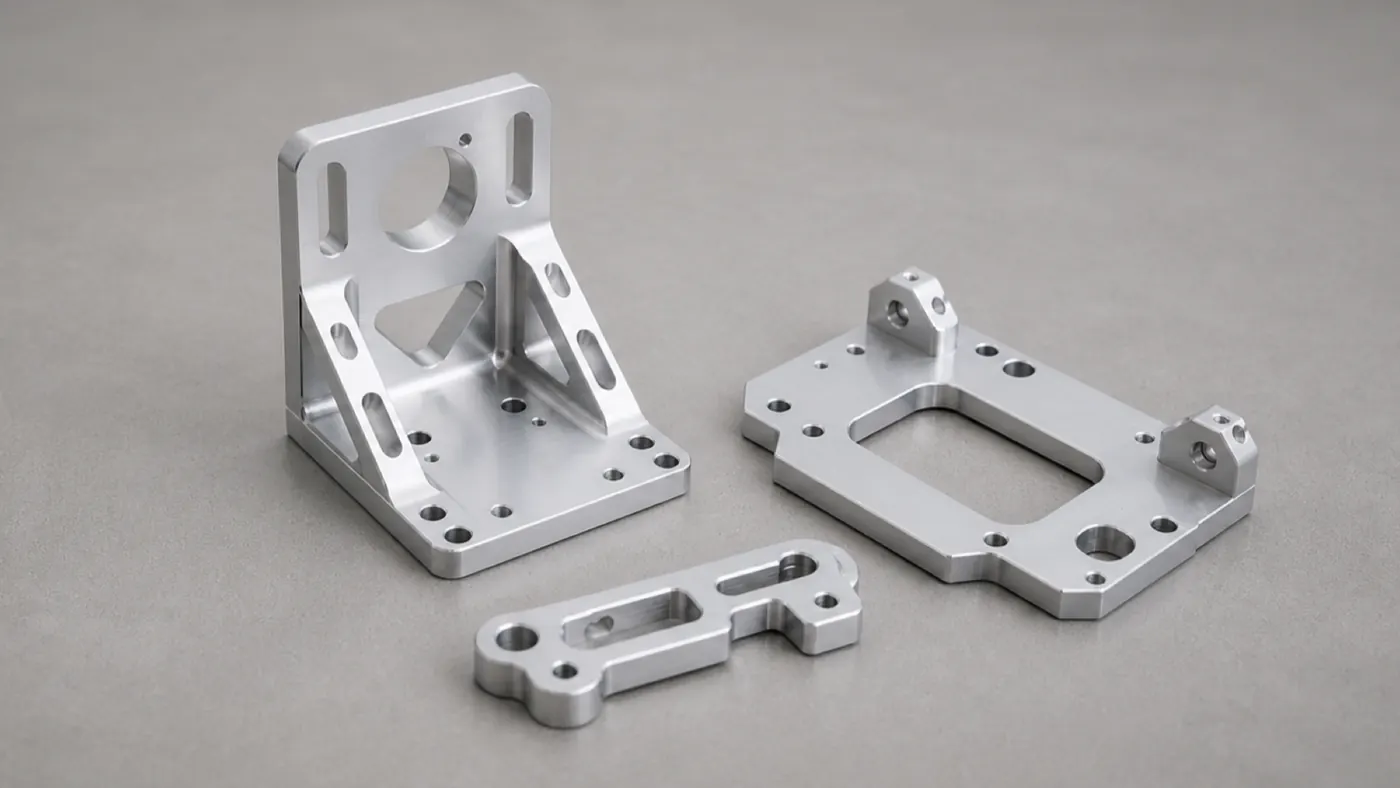
Aluminum CNC machining for robotics
Surgical-adjacent and lab robotics hardware: arms, stages, and precision drives.
Case studies
Case studies from this industry
Representative aluminum CNC projects for this sector — with specifications, engineering challenges, and inspection notes.
Browse the full engineering portfolio in the aluminum CNC machining case studies hub.
Quote your medical device hardware
Send STEP models and PDF drawings with cosmetic surfaces, cleanability callouts, and documentation requirements noted. An engineer reviews geometry and inspection scope, then returns a quote with the right paperwork plan within one business day.
- Prototype to production
- Engineering review within one business day
- Material certificates available
- ISO 9001 quality management