
Harder alloys like 7075 actually machine more cleanly than soft ones like 5052 — the real strength trade is cost and corrosion margin, not cutting difficulty. Don't pay for strength your load case doesn't use.
Materials hub
Aluminum Materials for CNC Machining
Alloy selection decides your part's strength, corrosion behavior, finish quality, and a surprising share of its cost — before a single toolpath is written. This hub gives you the working comparison, then a deep guide per grade.
Why alloy selection matters
The six trade-offs behind every aluminum alloy choice
You don't need a metallurgy course to pick well — you need to know which property is allowed to win. These are the trades our engineers walk through on every RFQ review.
5052 survives bare where 2024 pits under a coating. If the part lives wet, coastal, or in washdown, corrosion behavior should drive the shortlist before strength does.
All aluminum alloys weigh within ~3% of each other. Weight savings come from choosing an alloy strong enough to remove material — 7075 sections can be thinner than 6061 for the same load.
Alloy chemistry decides how anodize looks: 6061 goes bright and uniform, 7075 darker, 2024 grey. If cosmetics matter, pick the alloy and the finish together — never separately.
6061 is roughly half the material price of 7075 and stocked in every form. Exotic choices add cost twice: the material itself, and the stock sizes you can't get.
Rolled plate carries internal stress that heavy machining releases. Parts that must stay flat after pocketing belong in MIC-6 cast plate or stress-relieved (T651) stock.
Material guides
CNC aluminum alloys we machine — each with its own engineering guide
Every guide covers what the grade is best for, how it behaves on the machine, compatible finishes, realistic tolerances, and a drawing checklist.
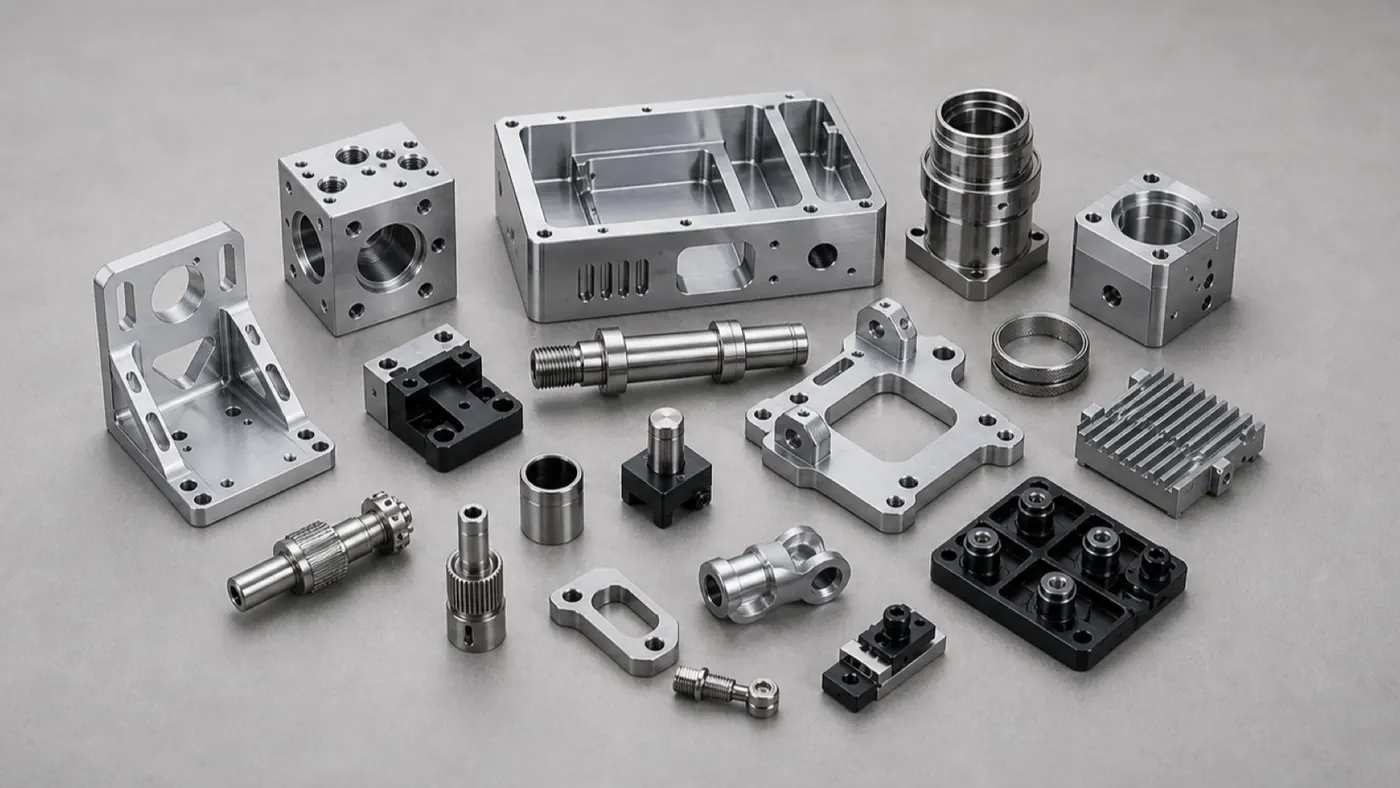
6061 Aluminum CNC Machining
Read the full guide The default structural alloy — balanced strength, predictable machining, and the most uniform anodizing of any common grade.
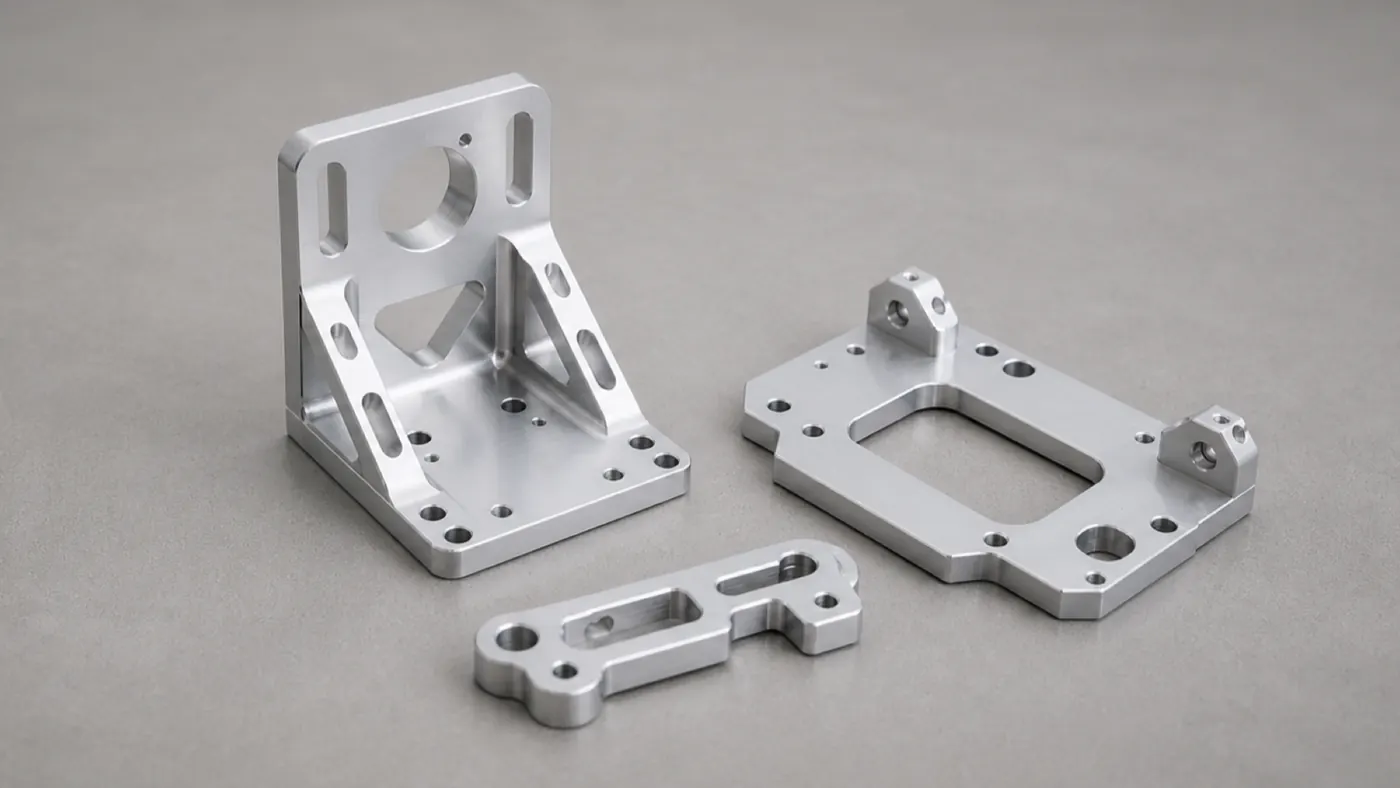
7075 Aluminum CNC Machining
Read the full guide Near-steel yield strength at a third of the weight, for parts where the FEA rules out 6061.
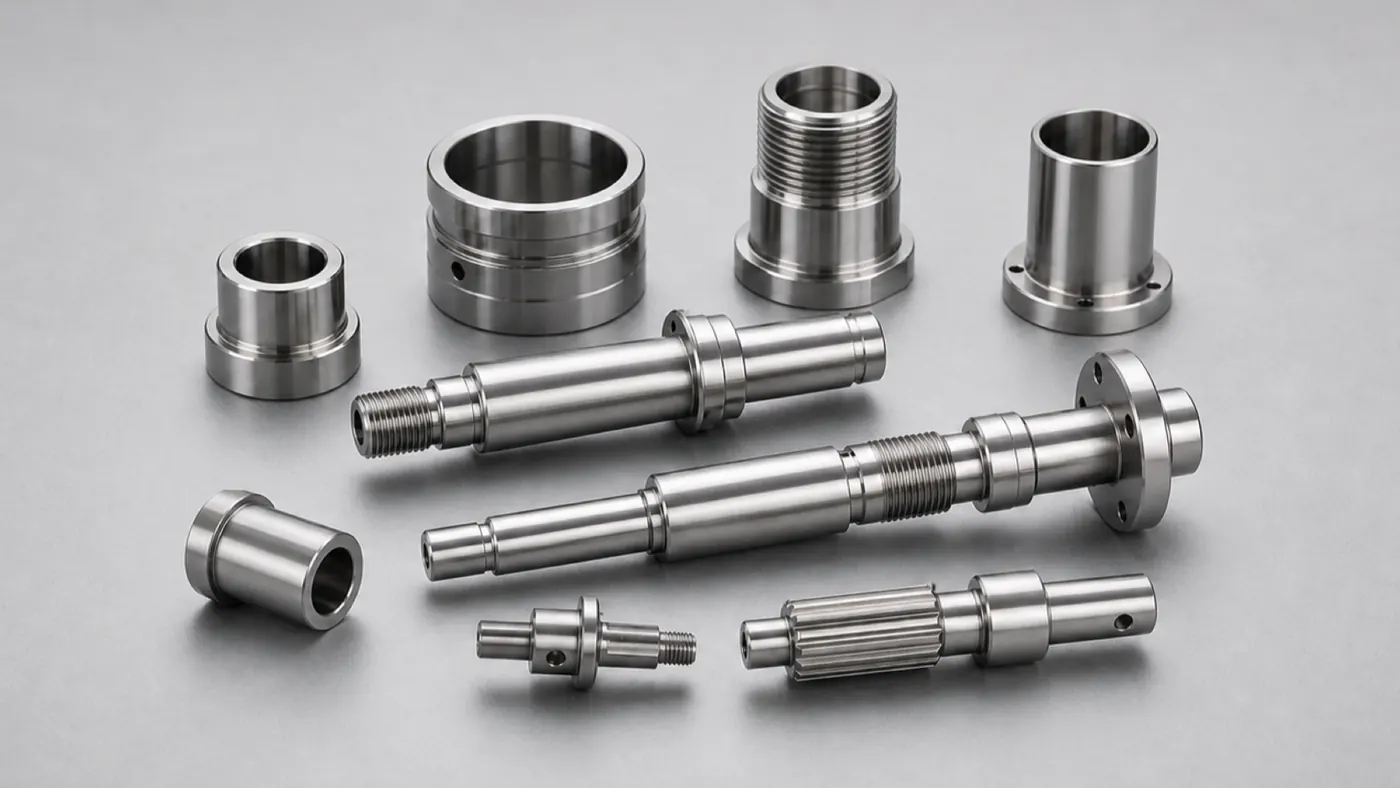
2024 Aluminum CNC Machining
Read the full guide The fatigue alloy — outlasts 6061 under cyclic load and tolerates damage better than 7075. Always coated.
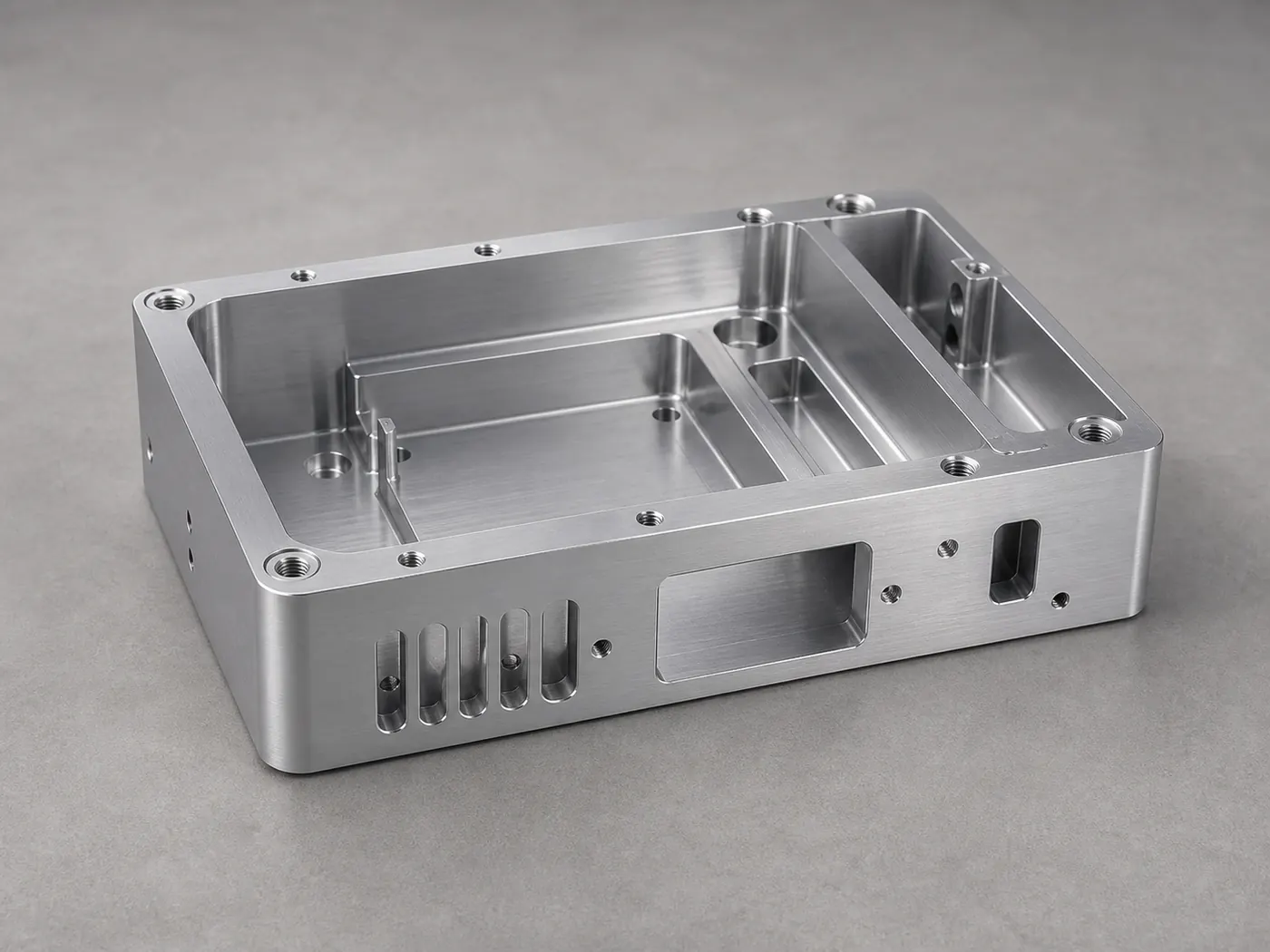
5052 Aluminum CNC Machining
Read the full guide The corrosion specialist for marine, washdown, and outdoor hardware — including formed-sheet-plus-CNC hybrid parts.
MIC-6 Aluminum Plate Machining
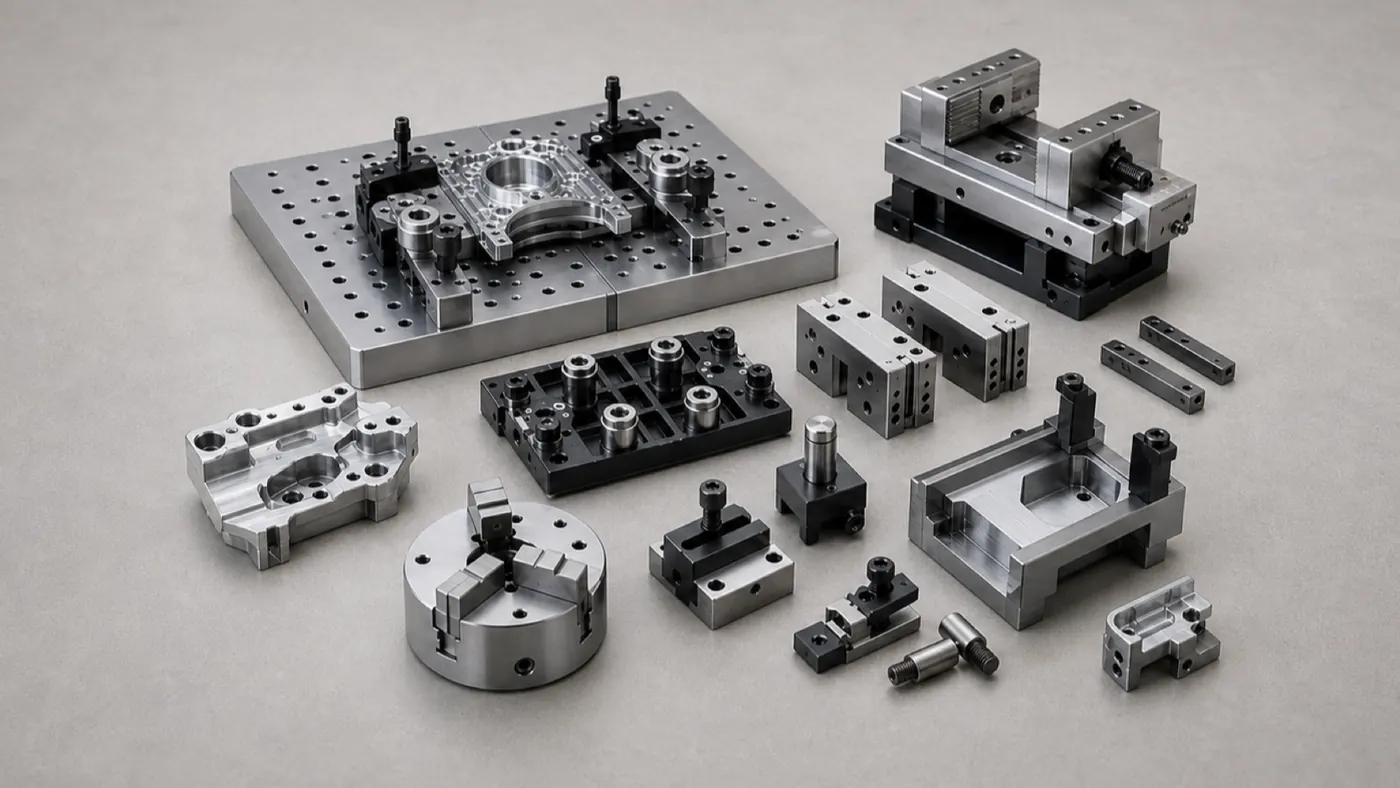
Read the full guide Stress-relieved cast tooling plate that stays flat after heavy machining — for parts that are references, not just parts.
Anodized Aluminum CNC Machining
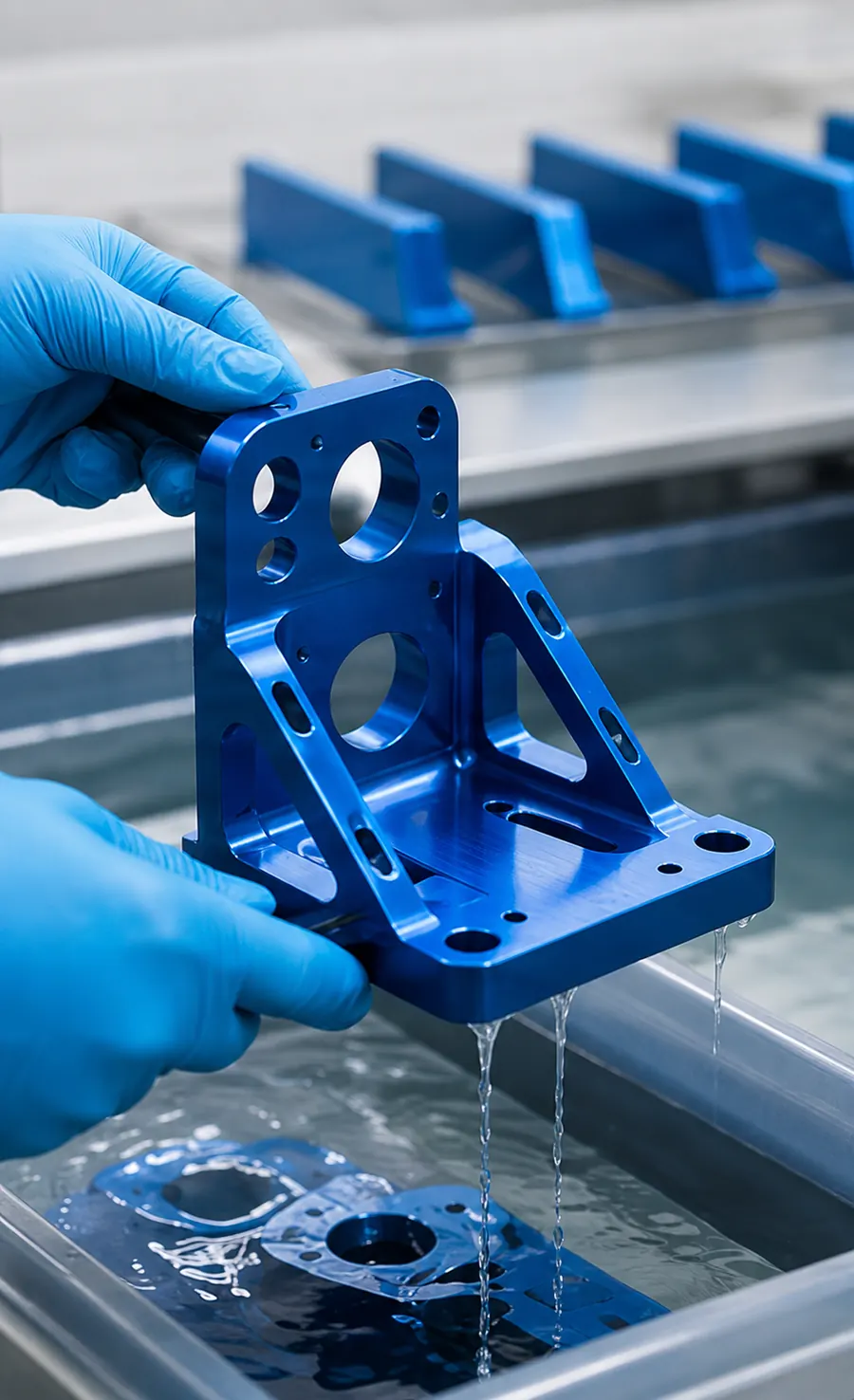
Read the full guide Not an alloy — the finishing decision that interacts with every alloy choice above. Film thickness, masking, and color, designed into the machining.
Side-by-side comparison
Aluminum alloy comparison for CNC machining
Ratings reflect behavior in CNC machined parts, not mill datasheets — 'machinability' here means finish quality and feature fidelity, not just cutting speed.
| Alloy | Strength | Machinability | Corrosion | Weldability | Anodizing | Flatness | Typical applications |
|---|---|---|---|---|---|---|---|
| 6061-T6 | Good (~275 MPa) | Very good | Good | Excellent | Excellent | Good (T651 plate) | General parts, housings, manifolds |
| 7075-T6 | Excellent (~500 MPa) | Excellent | Fair — coat it | Not weldable | Good, darker tone | Good (T651 plate) | Loaded structures, tooling |
| 2024-T351 | Very good (~325 MPa) | Excellent | Poor — must coat | Not weldable | Fair, grey tone | Good (T351) | Fatigue-loaded parts |
| 5052-H32 | Fair (~160 MPa) | Fair — gummy | Excellent | Excellent | Good | Fair in sheet | Covers, marine, washdown |
| MIC-6 | Low (~105 MPa) | Very good | Good | Poor | Fair, matte grey | Excellent | Fixture & reference plates |
Finish compatibility has its own hub: see aluminum CNC machining surface finishes for anodizing, chem-film, bead blasting, and marking guidance.
Selection guide
Pick the alloy in one pass
Engineering shorthand for the shortlist conversation — each rule links to the full guide behind it.
you have no overriding requirement. It's the correct default for structural parts, housings, and fixtures — change away from it only when a specific property forces the move. 6061 aluminum CNC machining.
the part is strength- or weight-limited and 6061 sections won't fit the envelope. Budget for coating and specify T651 for plate-machined parts. 7075 aluminum CNC machining.
fatigue governs — vibration, load reversals, long cycle counts — or a legacy aerospace print already calls it. Plan chem-film or anodize from day one. 2024 aluminum CNC machining.
the environment is wet, salty, or chemically washed, and loads are modest. Also the right base for formed-and-machined hybrid parts. 5052 aluminum CNC machining.
flatness is the specification — fixture plates, inspection surfaces, and bases that must not move after heavy pocketing. Don't load it structurally. MIC-6 aluminum plate machining.
send the model with the load case and environment noted. Our engineers confirm or correct the alloy choice as part of every quote — within one business day. Upload CAD for an engineering review.
Where to go next
From material choice to machined parts
Alloy selection is step one. The rest of the site picks up from here: what we build, how we machine it, and which industries we build it for.
- What we make from these alloys
Browse aluminum CNC machined products — housings, brackets, shafts, manifolds, fixtures, and custom parts. - How each part family is machined
See our aluminum CNC milling, turning, and finishing capabilities. - Who we machine for
Explore the industries we serve — robotics, automation, medical, aerospace tooling, electronics, and industrial equipment. - How finishes change the material decision
Read the surface finishes hub — anodizing, chem-film, blasting, and marking.
From the portfolio
See these alloys in finished projects
Featured aluminum CNC machining case studies with specifications, engineering challenges, inspection, and finishing.
Electronics Aluminum Electronics Housing — 6061-T6 Instrument Enclosure
A pocketed 6061-T6 instrument enclosure with connector cutouts, standoff bosses, and conductive grounding pads, machined and finished for a low-volume electronics build.
Aluminum Housings Aluminum Control Module Enclosure — Sealed 6061 Housing
A sealed 6061-T6 control module enclosure with a machined O-ring gland, threaded service bosses, and a bead-blasted black anodize finish for vibration- and coolant-exposed environments.
Robotics 7075 Robotic Arm Bracket — Lightweight Structural Link
A 7075-T6 structural arm bracket with lightweighting pockets, precise bearing bores, and hardcoat anodize, machined for stiffness-to-weight in a robotic joint.
Browse the full engineering portfolio in the aluminum CNC machining case studies hub.